
Table of Contents
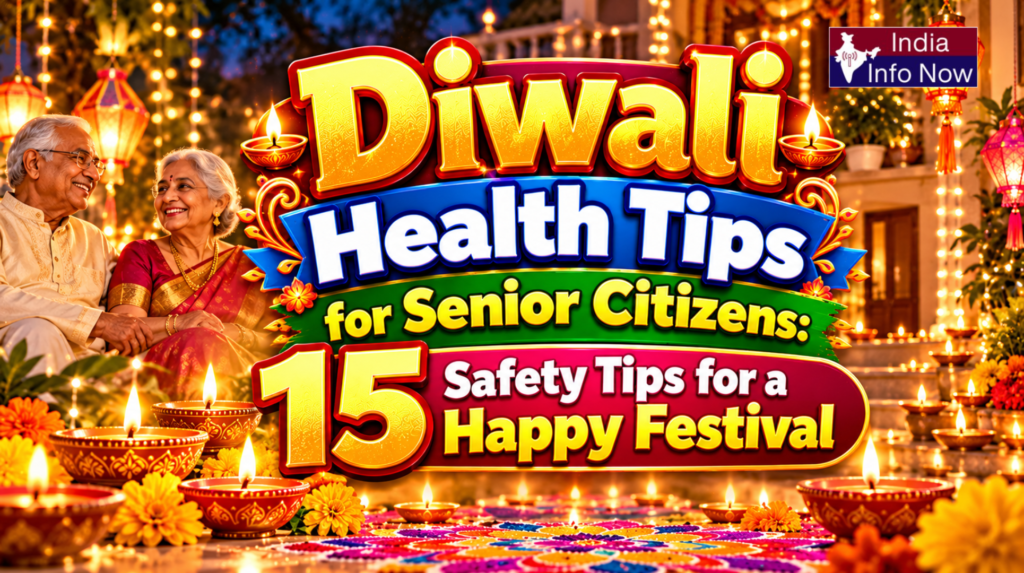
ToggleDiwali Health Tips for Senior Citizens: 15 Safety Tips for a Happy Festival
1. Schedule a Routine Health Check-Up Before Diwali
A health check-up before the festive season can help families review existing medical conditions and discuss any concerns with a healthcare professional. This can be particularly useful for seniors living with diabetes, high blood pressure, heart disease, or respiratory conditions.
Follow the monitoring plan recommended by their doctor and keep prescribed medicines available throughout the celebrations. If they use devices such as a blood pressure monitor or glucose meter, ensure these are ready when needed.
Do not change medication doses or skip prescribed medicines because of festival schedules. If an older adult develops unusual symptoms, seek appropriate medical advice rather than waiting until the celebrations are over.
2. Manage Sweets and Festive Food Carefully
Diwali celebrations often include laddus, jalebis, savoury snacks, fried dishes, and rich meals. Although enjoying favourite foods is part of the festival, excessive portions may cause discomfort and make certain medical conditions harder to manage.
Here are a few practical ways to maintain balanced eating habits:
Serve smaller portions of sweets and fried snacks.
Include vegetables, fruits, whole grains, and protein-rich foods in regular meals.
Choose homemade snacks with ingredients and cooking methods suited to the person’s dietary needs.
Limit foods that conflict with medical advice, including excess sugar or salt when restrictions have been recommended.
Avoid skipping regular meals to make room for a large festive feast.
People with diabetes, kidney disease, heart conditions, or other dietary restrictions should follow their individual care plans. Remember that honey and jaggery can also raise blood glucose levels, so they are not automatically suitable substitutes for sugar.
3. Stay Hydrated Throughout the Day
Older adults may not always notice thirst as readily as younger people, making regular fluid intake especially important. Dehydration can contribute to weakness, dizziness, constipation, and other health problems.
Encourage seniors to drink water regularly, especially when the weather is warm or they are spending time with visiting relatives. Water can be supplemented with suitable beverages such as unsweetened drinks, depending on individual preferences and medical advice.
However, some seniors with heart or kidney conditions may have prescribed fluid restrictions. In such cases, follow the healthcare professional’s guidance rather than increasing fluid intake without advice.
Keep a water bottle or glass within easy reach and offer drinks during family gatherings.
4. Keep the Home Clean Without Creating Health Risks
Deep cleaning is a common part of Diwali preparations, but dust, strong cleaning products, and paint or chemical fumes may trigger respiratory irritation or allergies.
Whenever possible, complete heavy cleaning before the main celebrations begin. Keep senior family members away from dusty areas, freshly painted rooms, and spaces where strong chemicals are being used.
Choose appropriately labelled cleaning products, ensure good ventilation, and avoid mixing household chemicals. If an older adult has asthma or another respiratory condition, take extra care to minimise dust and irritating fumes.
Rather than asking seniors to climb ladders, move heavy furniture, or scrub floors, involve them in lighter tasks such as sorting decorations or arranging festive items while seated.
A beautifully decorated home should also be a safe home. Rangoli powder, loose electrical wires, flower petals, decorative stands, and crowded walkways can increase the risk of falls, particularly for seniors with balance or mobility difficulties.
To make the home safer:
Keep hallways, stairs, and entrances free from clutter.
Secure electrical wires along walls instead of leaving them across walking paths.
Use non-slip mats where needed and clean up spilled water or oil immediately.
Ensure stairs and frequently used areas have adequate lighting.
Keep walking aids, spectacles, and other essential items within easy reach.
Provide stable chairs with armrests for resting during gatherings.
Avoid placing diyas or decorative objects in areas where seniors regularly walk. A little extra attention to the layout can help prevent avoidable injuries.
Firecracker smoke can worsen breathing difficulties and irritate the eyes and throat. Loud explosions may also cause distress, particularly among older adults with hearing difficulties, anxiety, or sleep problems.
Whenever possible, choose a quieter celebration with family prayers, music at a comfortable volume, lights, and indoor activities.
If nearby fireworks create heavy smoke, keep windows closed temporarily when outdoor air quality is poor and use suitable indoor air filtration if available. Seniors with respiratory or heart conditions may need to limit outdoor exposure during periods of significant pollution.
Do not assume that so-called low-smoke or eco-friendly fireworks are harmless. If a senior experiences severe breathlessness, chest pain, fainting, or sudden confusion, seek urgent medical assistance.
7. Use Diyas and Electrical Decorations Safely
Traditional diyas create a beautiful festive atmosphere, but open flames can pose a burn or fire risk. Place them on stable, heat-resistant surfaces and keep them away from curtains, bedding, paper lanterns, and areas where people walk.
Battery-operated diyas and LED candles are practical alternatives, particularly in bedrooms, narrow corridors, and homes where an older adult has limited mobility or memory difficulties.
Check electrical decorations for damaged wires and use products suitable for their intended location. Switch off lights when leaving home or going to sleep, and avoid overloading electrical sockets.
Keep matches, lighters, hot oil lamps, and other potentially hazardous items out of the reach of anyone who may have difficulty handling them safely.
8. Protect Sleep and Maintain Daily Routines
Late-night gatherings, loud music, and changes in meal or medication times can leave older adults tired and uncomfortable.
Try to maintain familiar routines as much as possible. Keep medication schedules consistent, provide opportunities for rest, and avoid pressuring seniors to participate in every activity.
If relatives are visiting, arrange a quiet room where older family members can relax away from noise and crowds. Comfortable seating, adequate lighting, and good ventilation can make a significant difference.
A flexible celebration that respects an older person’s energy levels is often more enjoyable than a packed schedule.
9. Make Emotional Well-Being a Priority
Diwali is a time of togetherness, but festivals can also bring feelings of loneliness or sadness for seniors who have lost loved ones or live far from family.
Spend meaningful time with older relatives instead of focusing only on preparations. Invite them to share childhood memories, favourite recipes, traditional songs, or stories about how Diwali was celebrated in earlier years.
Include them in family conversations and take photographs together if they enjoy it. For seniors who cannot attend large gatherings, arrange a phone or video call with relatives and friends.
Small gestures of attention can help older adults feel valued, connected, and included in the celebrations.
10. Involve Seniors in Festival Preparations
Older adults can continue to play an important role in family traditions without taking on physically demanding tasks.
Ask them to suggest rangoli patterns, choose decorations, organise greeting cards, help arrange sweets while seated, or guide younger family members through familiar rituals.
Allow them to participate in Lakshmi Puja or other family traditions at a comfortable pace. Avoid asking them to climb stools, carry heavy objects, handle hot cooking utensils, or stand for long periods if these activities are difficult for them.
The goal is to preserve their sense of independence and belonging while respecting their abilities and preferences.
11. Prepare for Medical Needs and Emergencies
A little preparation can make the festive season less stressful if a health concern arises.
Keep a list of current medicines, relevant medical information, emergency contact numbers, and the treating doctor’s details in an accessible place. Make sure prescribed medicines are not running low during holidays when obtaining replacements may be more difficult.
If seniors use hearing aids, spectacles, mobility aids, or other assistive devices, check that these are working properly before gatherings begin.
Family members should know how to contact emergency services and where essential medical supplies are stored. For seniors with complex health needs, discuss any additional precautions with their healthcare team before the festival.
12. Plan Comfortable and Safe Travel
If Diwali involves visiting relatives or travelling to another city, plan the journey around the senior’s comfort and medical needs.
Choose manageable travel times, allow enough time for rest stops, and avoid unnecessarily long or exhausting itineraries. Pack prescribed medicines, drinking water, suitable snacks, medical documents, and any mobility aids required.
For older adults who find crowds difficult, arrange assistance at transport stations or airports where available. Ensure they have a comfortable seat and avoid rushing them through busy areas.
If a senior is unwell or has recently experienced a significant medical problem, seek medical advice before undertaking a demanding journey.
13. Choose Thoughtful Gifts for Older Family Members
Diwali gifts can also support comfort and well-being. Instead of focusing only on sweets, consider practical gifts that suit the person’s interests and needs.
Some ideas include:
Comfortable clothing or a warm shawl.
A favourite book or a large-print reading book.
A family photo album.
Easy-to-use household accessories.
A comfortable cushion or suitable seating accessory.
Time together through a family meal, conversation, or shared activity.
Choose gifts that are safe, useful, and appropriate for the recipient. Avoid presenting health products or supplements as treatments without checking whether they are suitable for the individual.
Conclusion
Diwali is most meaningful when every family member can celebrate with happiness, dignity, and peace of mind. For senior citizens, simple precautions such as balanced meals, regular hydration, safe decorations, reduced exposure to smoke and noise, and sufficient rest can make the festive season more comfortable.
Families can also make a lasting difference by involving elders in traditions, listening to their stories, and respecting their physical and emotional needs.
The best Diwali gift for senior citizens is thoughtful care, companionship, and a safe environment where they can enjoy the festival at their own pace. With a little preparation and understanding, families can create beautiful memories together while keeping health and well-being a priority.
Frequently Asked Questions
1. How can senior citizens celebrate Diwali safely?
Senior citizens can celebrate safely by following their regular medication schedule, eating balanced meals, staying hydrated as advised by their doctor, avoiding firecracker smoke and keeping walkways clear.
2. What precautions should elderly people take during Diwali?
Older adults should avoid climbing ladders, use non-slip footwear, stay away from firecrackers, keep electrical wires secured and take breaks during celebrations.
3. How can senior citizens protect themselves from Diwali air pollution?
Avoid outdoor activities when pollution levels are high, keep windows closed during heavy smoke, and use a well-fitting mask outdoors if appropriate. People with heart or lung conditions should follow their doctor’s advice.
4. Can senior citizens eat sweets during Diwali?
They can enjoy sweets in moderation, depending on their health needs. People with diabetes should monitor portion sizes and blood glucose levels according to their care plan.
Most Popular
-
 Diwali Health Tips for Senior Citizens: 15 Safety Tips for a Happy Festival
-
 15 Easy Diwali Decoration Ideas to Make Your Home Look Beautiful
-
 How to Celebrate Diwali on a Budget: 12 Smart Money-Saving Tips
-
 Diwali 2026: 15 Interesting Facts You Should Know About the Festival
-
Is Digital Gold Safe in India? Benefits, Risks and Investment Tips