
Table of Contents
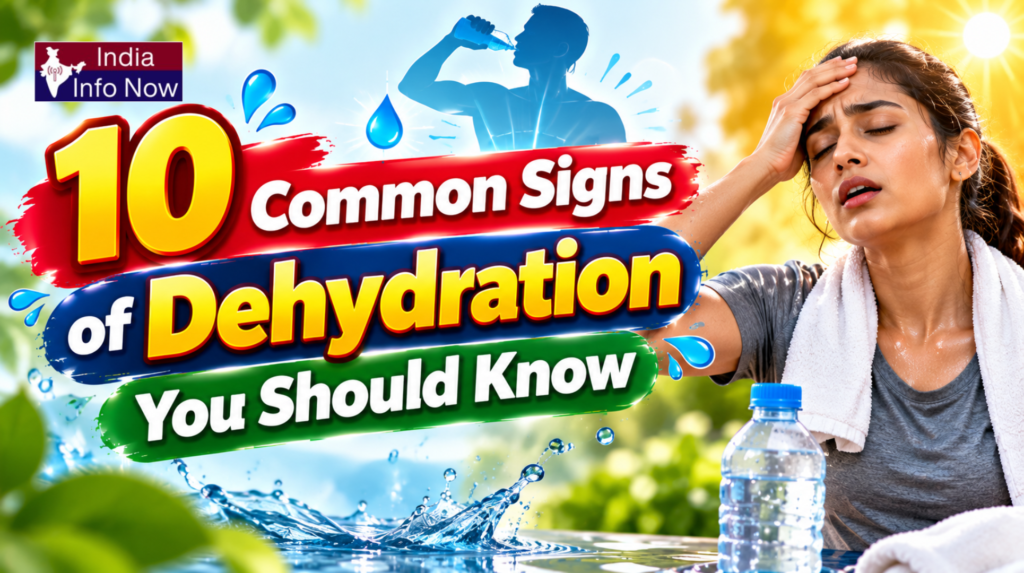
Toggle10 Common Signs of Dehydration You Should Know
1. Feeling Excessively Thirsty
Thirst is one of the body’s natural signals that you may need more fluids. You might notice that you frequently want to drink water, especially after exercise, during hot weather or when you have a fever.
Other symptoms may include a sticky feeling in your mouth, dry lips and discomfort when swallowing because your mouth feels dry.
However, thirst is not always a reliable early warning sign. Older adults, in particular, may experience a reduced sense of thirst even when their bodies need fluids.
What you can do: Drink water regularly throughout the day instead of waiting until you feel extremely thirsty. If you are losing fluids through sweating, vomiting or diarrhoea, you may need to replace electrolytes as well as water.
2. Dark Yellow Urine
Changes in urine colour can provide a useful clue about your hydration status. Pale-yellow urine often indicates adequate hydration, while darker yellow urine may suggest that you need more fluids.
When your body conserves water, your urine can become more concentrated. You may also notice that you urinate less frequently than usual.
However, urine colour is not a perfect measure of hydration. Certain medicines, supplements and foods can change its colour, and some medical conditions can also affect urine output.
What you can do: Pay attention to changes in your usual urination pattern and drink fluids regularly. If your urine is persistently very dark, brown or bloody, or you are passing very little urine, seek medical advice.
3. Dry Mouth, Lips and Tongue
A dry mouth is another common symptom of dehydration. Your mouth may feel sticky, your lips may become cracked, and your tongue may feel unusually dry.
This happens because reduced fluid availability can affect saliva production. Dry mouth can also result from certain medications, mouth breathing and other medical conditions, so it does not always indicate dehydration.
What you can do: Sip water throughout the day and keep water accessible when travelling or working. If dryness continues despite drinking enough fluids, speak with a healthcare professional to identify the cause.
4. Feeling Tired or Weak
Have you ever felt unusually exhausted after spending time outdoors in hot weather or completing a demanding workout? Fluid loss may be one reason.
Dehydration can affect circulation and the body’s ability to regulate temperature. As a result, everyday activities may feel more tiring, and you may notice reduced energy or physical endurance.
Weakness can also occur with infections, anaemia, low blood sugar and other health conditions.
What you can do: Rest in a cool place, drink appropriate fluids and avoid strenuous activity while recovering. If weakness is severe, persistent or accompanied by confusion, fainting or breathing difficulties, seek urgent medical attention.
5. Headache
A headache can occur when you are dehydrated, although headaches have many possible causes. Fluid loss may contribute to discomfort, particularly after prolonged sweating, illness or inadequate fluid intake.
You may experience a dull headache, difficulty concentrating or a general feeling of being unwell.
What you can do: Drink water, rest and avoid excessive heat. If you have been losing fluids through vomiting or diarrhoea, consider an appropriate oral rehydration solution.
A sudden, extremely severe headache or a headache accompanied by confusion, weakness, vision changes or difficulty speaking requires urgent medical assessment.
6. Dizziness or Lightheadedness
Dehydration can contribute to dizziness, particularly when you stand up after sitting or lying down. Significant fluid loss may reduce blood volume, making it more difficult for your body to maintain blood pressure.
You might feel unsteady, experience a spinning sensation or feel as though you could faint.
Older adults may be especially vulnerable to falls when dizziness occurs.
What you can do: Sit or lie down immediately if you feel faint. Move to a cool area and drink fluids if you are fully alert and able to swallow safely.
Seek medical attention if dizziness is severe, keeps returning or occurs with fainting, confusion, chest pain or a rapid heartbeat.
7. Reduced Urination
When your body loses fluids, your kidneys work to conserve water. One result may be a reduction in the amount or frequency of urine you pass.
You may notice that you visit the toilet less often than usual or produce only a small amount of urine.
A significant reduction in urine output can indicate serious dehydration, but it can also be caused by kidney problems, urinary obstruction or other medical conditions.
What you can do: Monitor changes in your usual urination pattern, especially during hot weather or illness. Seek prompt medical advice if you are passing very little urine. Not urinating for many hours, particularly with other severe symptoms, requires urgent assessment.
8. Rapid Heartbeat
A rapid heartbeat may occur when dehydration reduces the amount of fluid circulating in your bloodstream. Your heart may beat faster to help maintain blood flow to your organs.
You might notice a racing pulse, unusual palpitations or weakness when standing or moving around.
A fast heartbeat can also result from fever, anxiety, medication effects and heart conditions, so it should not automatically be attributed to dehydration.
What you can do: Stop exercising, rest in a cool place and replace fluids if you are alert and able to drink safely. Seek urgent medical care if your heartbeat remains unusually fast or is accompanied by fainting, chest pain, confusion or breathing difficulties.
9. Dry Skin and Reduced Skin Elasticity
Dehydration can affect the moisture of your skin, leaving it feeling dry or less comfortable. In more significant fluid loss, skin elasticity may also change.
However, dry skin alone is not a reliable way to diagnose dehydration. Ageing, cold weather, low humidity and skin conditions can also cause dryness. Skin elasticity tests may be particularly unreliable in older adults.
What you can do: Drink enough fluids for your needs and protect your skin from excessive heat. If you have other symptoms, such as dark urine, dizziness or reduced urination, consider dehydration as a possible cause and seek advice when appropriate.
10. Confusion, Extreme Drowsiness or Fainting
Confusion, unusual drowsiness and fainting are serious warning signs. Severe dehydration can affect circulation and the delivery of blood to vital organs, including the brain.
Other emergency symptoms may include:
Difficulty staying awake.
Disorientation or unusual behaviour.
Severe weakness or collapse.
A weak or rapid pulse.
Very little or no urine.
Inability to keep fluids down.
What you should do: Seek emergency medical care immediately. Do not try to manage severe symptoms at home or force fluids into someone who is confused, unconscious or unable to swallow safely. Severe dehydration may require intravenous fluids and monitoring in a healthcare facility.
What Causes Dehydration?
Dehydration can happen for several reasons, including:
Hot weather: Sweating increases fluid loss, especially in hot and humid conditions.
Exercise: Physical activity can lead to significant water and electrolyte loss through sweat.
Vomiting and diarrhoea: These can cause rapid loss of both fluids and essential salts.
Fever: An elevated body temperature can increase fluid requirements.
Insufficient fluid intake: Busy routines, limited access to water or a reduced sense of thirst may lead to inadequate drinking.
Certain medicines: Diuretics and some other medications can increase fluid loss.
Medical conditions: Some illnesses can affect fluid balance or make it harder to maintain adequate hydration.
How Much Water Should You Drink Every Day?
There is no single daily water target that suits everyone. Your fluid needs depend on your age, body size, activity level, climate, diet, pregnancy status and health conditions.
As a practical approach, drink fluids regularly throughout the day and increase your intake when you sweat more than usual or spend time in hot weather, unless a healthcare professional has advised you to restrict fluids.
Water is an excellent everyday choice. Milk, suitable unsweetened drinks, soups and water-rich foods such as watermelon and cucumber can also contribute to fluid intake.
People experiencing substantial fluid loss from diarrhoea or vomiting may benefit from a properly prepared oral rehydration solution (ORS). Follow the packet instructions carefully. People with kidney or heart conditions should ask their healthcare professional about suitable fluid intake.
How to Prevent Dehydration
A few everyday habits can help reduce your risk of dehydration:
Carry a reusable water bottle when travelling.
Drink water regularly rather than relying entirely on thirst.
Increase fluid intake appropriately during hot weather and exercise.
Take breaks in shaded or cool areas when outdoors.
Replace fluids lost through vomiting or diarrhoea with appropriate fluids or ORS.
Check on older adults and young children during periods of extreme heat.
Ask a healthcare professional about fluid requirements if you take medicines that affect water balance.
Final Thoughts
Recognising the common signs of dehydration can help you respond before fluid loss becomes dangerous. Thirst, dark urine, dry mouth, tiredness, headaches and dizziness may signal that your body needs more fluids. More serious symptoms, including confusion, fainting and very low urine output, require urgent medical attention.
Make hydration part of your daily routine, pay attention to changes in your body and take extra care during hot weather, exercise and illness. If symptoms are severe or you cannot keep fluids down, seek medical advice promptly rather than relying on home remedies.
Frequently Asked Questions
1. What are the first signs of dehydration?
Early symptoms may include thirst, dry mouth, darker urine, reduced urination, tiredness and mild dizziness. Symptoms vary, and older adults may not feel thirsty even when dehydrated.
2. How can I tell if dehydration is becoming severe?
Confusion, extreme drowsiness, fainting, a weak or rapid pulse, very little urine and an inability to keep fluids down can indicate serious dehydration. Seek urgent medical care if these occur.
3. Can dehydration cause headaches and dizziness?
Yes. Dehydration can contribute to headaches and dizziness, particularly after sweating, illness or inadequate fluid intake. However, these symptoms have other possible causes and should not automatically be attributed to dehydration.
4. Is drinking water enough to treat dehydration?
Water may be sufficient for mild dehydration caused by inadequate fluid intake. When substantial fluid and electrolyte losses occur through diarrhoea or vomiting, an oral rehydration solution may be more appropriate. Severe dehydration requires urgent medical assessment and may need hospital treatment.
Most Popular
-
 தீபாவளி அன்று பட்டாசு வெடிக்கும் பழக்கம் எப்போது தொடங்கியது? | பட்டாசுகளின் வரலாறு
-
 தீபாவளிக்கும் வணிகர்களின் கணக்குப் புத்தகங்களுக்கும் என்ன தொடர்பு? | சோப்டா பூஜை விளக்கம்
-
 சுற்றுச்சூழலுக்கு பாதிப்பு இல்லாமல் தீபாவளி கொண்டாடுவது எப்படி? – 15 வழிமுறைகள்
-
 தீபாவளியின்போது உணவு விஷமாதலைத் தவிர்ப்பது எப்படி? – 15 பாதுகாப்பு வழிமுறைகள்
-
 தீபாவளி அன்று ஏன் புத்தாடை அணிய வேண்டும்? | ஆன்மீக மற்றும் பாரம்பரிய காரணங்கள்