
Table of Contents
ToggleHow to Stay Healthy During Sudden Weather Changes: 15 Tips
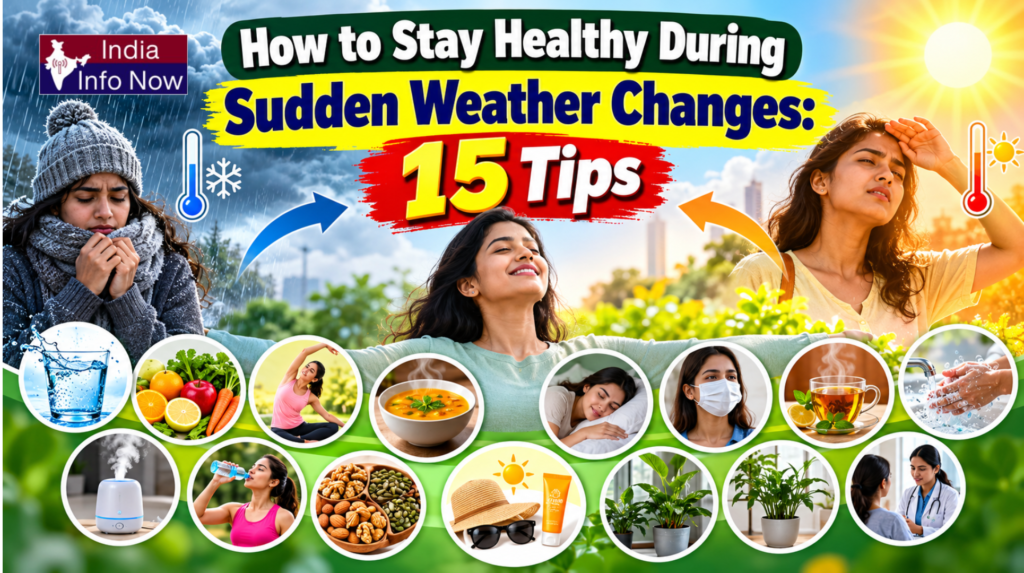
Why Do Sudden Weather Changes Affect Your Health?
The human body maintains its internal temperature within a narrow range to support normal organ function. The hypothalamus, a region of the brain, helps regulate body temperature by controlling processes such as sweating, shivering, and changes in blood vessel diameter.
When temperatures change suddenly, the body must adjust to maintain this balance. Cold weather can cause blood vessels to narrow, while warmer conditions encourage them to widen. These adjustments may place additional demands on the cardiovascular system, particularly in people with heart disease.
Weather fluctuations can also influence respiratory comfort, seasonal allergies, and the symptoms of conditions such as asthma and migraines. Meanwhile, reduced daylight during certain seasons may affect sleep and mood.
Common symptoms people experience during seasonal transitions include:
Runny nose, sneezing, or nasal congestion
Cough, sore throat, and cold-like symptoms
Headaches or migraine episodes
Fatigue and reduced energy
Dry skin, irritated eyes, or allergy symptoms
Joint discomfort in people with existing joint conditions
Changes in sleep quality and mood
These symptoms can have several causes. Persistent or severe symptoms should not automatically be attributed to the weather.
15 Tips to Stay Healthy During Sudden Weather Changes
1. Dress in Layers to Adjust to Temperature Changes
One of the simplest ways to handle unpredictable weather is to wear clothing in layers. Temperatures can vary considerably between early morning, afternoon, and evening, making it difficult to choose the right outfit.
Wear breathable clothing as your base layer and carry a lightweight jacket, cardigan, or wind-resistant outer layer when needed. You can remove or add layers as the temperature changes.
During colder conditions, protect your head, hands, and feet, particularly when spending extended periods outdoors. Appropriate clothing helps your body maintain a comfortable temperature and reduces exposure to extreme cold.
2. Eat a Balanced, Nutrient-Rich Diet
A balanced diet provides the nutrients your body needs to support normal immune function. During seasonal transitions, make an effort to include a variety of fruits, vegetables, whole grains, legumes, nuts, and protein-rich foods.
Citrus fruits, guava, berries, tomatoes, and bell peppers provide vitamin C. Leafy greens, beans, eggs, dairy products, and other nutrient-rich foods can contribute additional vitamins and minerals.
Pumpkin, carrots, spinach, and sweet potatoes are also useful additions to a varied diet.
Rather than relying on a single food to prevent illness, focus on eating a range of nutritious foods regularly. Limit excessive consumption of highly processed snacks, sugary drinks, and foods high in added sugar.
3. Drink Enough Water Throughout the Day
Hydration remains important even when the weather becomes cold. You may feel less thirsty in cooler temperatures, but your body still needs fluids to function properly.
Keep drinking water at regular intervals throughout the day. Soups, milk, and other suitable beverages can also contribute to your fluid intake.
If you spend time outdoors in hot weather or exercise frequently, you may need additional fluids. Older adults and people with certain medical conditions should follow their healthcare professional’s advice about fluid intake.
Adequate hydration supports normal circulation, digestion, and temperature regulation.
4. Maintain a Regular Exercise Routine
Regular physical activity helps support cardiovascular health, muscle strength, mobility, and emotional well-being. However, sudden weather changes can make it harder to maintain a consistent routine.
If outdoor conditions are unsuitable, try walking indoors, climbing stairs safely, doing gentle stretching, or following a home workout.
Aim for approximately 150 minutes of moderate-intensity physical activity each week if your health and fitness level allow. Start gradually if you have been inactive for a long time.
During extreme heat, severe cold, or poor air quality, adjust your exercise schedule and avoid strenuous outdoor activities when necessary.
5. Prioritize Quality Sleep
Changes in daylight hours, temperature, and daily routines may disrupt your sleep schedule. Poor sleep can leave you feeling tired and make it harder to concentrate during the day.
Try to maintain consistent sleeping and waking times, including on weekends. Keep your bedroom comfortable, dark, and quiet, and reduce screen exposure before bedtime.
Avoid heavy meals, excessive caffeine, and alcohol close to bedtime. A relaxing evening routine, such as reading or taking a warm shower, may help you prepare for sleep.
Most adults need around seven to nine hours of sleep each night, although individual needs vary.
6. Wash Your Hands Frequently
Respiratory infections can spread through respiratory particles and, in some cases, contaminated hands and surfaces. Good hand hygiene is a simple way to reduce the risk of infection.
Wash your hands with soap and water for at least 20 seconds, particularly before eating, after using the toilet, after coughing or sneezing, and when returning home from public places.
If soap and water are unavailable, use an alcohol-based hand sanitizer containing at least 60% alcohol.
Avoid touching your eyes, nose, and mouth with unwashed hands, and clean frequently touched surfaces when appropriate.
7. Keep Your Indoor Environment Comfortable
Changes in outdoor humidity and temperature can affect indoor comfort. Very dry air may irritate the nose, throat, and skin, while excessive humidity can encourage mold growth.
Keep indoor spaces clean and adequately ventilated. If indoor air is particularly dry, a humidifier may help, but it should be cleaned regularly to prevent microbial growth.
Aim for indoor humidity of approximately 30%–50% when practical. Address leaks and visible mold promptly, especially if someone in your household has asthma or allergies.
Avoid exposing yourself to smoke, strong fragrances, and other irritants that may aggravate respiratory symptoms.
8. Take Seasonal Allergies Seriously
Sudden weather changes may coincide with fluctuations in pollen, dust, mold spores, and other airborne allergens. These can trigger sneezing, watery eyes, congestion, or asthma symptoms in susceptible individuals.
Check local pollen and air-quality forecasts if allergies affect you. On high-pollen days, consider keeping windows closed when appropriate, changing clothes after spending time outdoors, and showering before bed.
Saline nasal sprays or rinses may help relieve nasal irritation. Use sterile, distilled, or previously boiled and cooled water for nasal irrigation.
If symptoms persist, consult a healthcare professional about suitable allergy treatments. Do not assume every episode of sneezing or congestion is caused by a cold.
9. Support Your Immune System With Healthy Habits
Your immune system depends on several factors, including nutrition, sleep, physical activity, and overall health.
Eat regular balanced meals, stay physically active, get enough sleep, and avoid smoking. Limit alcohol consumption and follow recommended vaccination guidance.
Nutrients such as vitamins C and D, zinc, and other essential vitamins and minerals support normal immune function. However, taking extra supplements does not automatically make your immune system stronger or prevent infections.
Supplements are most useful when they address a dietary deficiency or a specific medical need. Consult a healthcare professional before starting high-dose supplements, particularly if you take medication or have an underlying medical condition.
10. Stay Up to Date With Recommended Vaccinations
Weather changes themselves do not cause influenza or other viral infections. However, seasonal patterns can influence when certain respiratory infections circulate.
Vaccination can help protect against specific preventable diseases and reduce the risk of severe illness. Ask your healthcare professional which vaccinations are recommended for your age, health conditions, occupation, and location.
Annual influenza vaccination is recommended for many people, depending on local public health guidance. Other vaccines may also be appropriate based on your individual circumstances.
Combine vaccination with good hand hygiene, appropriate ventilation, and sensible precautions when respiratory infections are circulating.
11. Protect Your Respiratory Health
Cold air, dry air, pollution, and sudden changes in temperature can aggravate symptoms in people with asthma or other respiratory conditions.
If you have asthma, follow your prescribed asthma action plan and keep your medication available. Covering your nose and mouth with a scarf in cold weather may help warm the air you breathe.
Avoid cigarette smoke, vaping aerosols, and heavily polluted environments. Check air-quality information before exercising outdoors when pollution is a concern.
Seek medical advice if you experience persistent coughing, wheezing, or breathing difficulties. Severe breathlessness requires urgent medical attention.
12. Pay Attention to Headaches and Joint Discomfort
Some people report more frequent headaches or migraines during weather transitions. Changes in atmospheric pressure, sleep disruption, dehydration, and stress may contribute to symptoms in susceptible individuals.
Keeping a headache diary can help you identify possible triggers and patterns. Maintain regular meals, drink enough water, sleep consistently, and follow your prescribed migraine treatment plan.
People with arthritis or other joint conditions may also notice discomfort during changing weather. Gentle movement, appropriate exercise, and treatments recommended by a healthcare professional can help manage symptoms.
Do not automatically attribute severe, persistent, or unusual pain to the weather.
13. Manage Stress and Mood Changes
Seasonal changes can affect daily routines, outdoor activity, and exposure to daylight. Some people experience reduced motivation, tiredness, or changes in mood during these periods.
Spend time outdoors during daylight when conditions are safe, maintain social connections, and include relaxing activities in your daily routine.
Breathing exercises, meditation, gentle yoga, and regular physical activity may help manage everyday stress.
If low mood, loss of interest, or sleep changes persist and interfere with daily life, seek professional support rather than assuming the symptoms will disappear when the weather improves.
14. Avoid Smoking and Limit Alcohol
Smoking damages the respiratory system and increases the risk of respiratory infections and other serious health conditions. Secondhand smoke can also affect the health of family members.
Quitting smoking is beneficial at any time of the year. If necessary, ask a healthcare professional about evidence-based smoking cessation support.
Alcohol can disrupt sleep, affect judgment, and contribute to dehydration in some circumstances. Limiting or avoiding alcohol supports overall health.
During seasonal transitions, prioritize habits that promote good sleep, healthy breathing, and consistent daily energy.
15. Take Extra Care of Children, Older Adults, and People With Chronic Conditions
Some people need additional precautions during sudden temperature changes.
Young children may not communicate discomfort clearly, while older adults may have a reduced ability to regulate body temperature. People with diabetes, heart disease, chronic obstructive pulmonary disease (COPD), asthma, or other chronic illnesses may also be more vulnerable to extreme weather.
Check weather forecasts, plan outdoor activities carefully, and ensure that suitable clothing, prescribed medicines, and essential supplies are available.
Follow medical advice about managing existing conditions during heat waves, cold spells, or periods of poor air quality.
Contact a healthcare professional if symptoms worsen or interfere with normal activities. Seek urgent medical care for severe breathing difficulties, chest pain, confusion, fainting, or other signs of a medical emergency.
When Should You See a Doctor?
Most mild weather-related discomfort improves with rest, hydration, and appropriate self-care. However, some symptoms require medical evaluation.
Seek medical advice if you experience:
A persistent or worsening fever
A cough that continues or becomes more severe
Ongoing fatigue that affects daily activities
Repeated or severe headaches
Persistent joint pain or swelling
Worsening asthma or other chronic disease symptoms
Chest pain, severe shortness of breath, sudden weakness, confusion, or a sudden unusually severe headache require urgent medical attention.
People with weakened immune systems or significant chronic illnesses should seek advice early when symptoms develop.
Final Thoughts
Sudden weather changes can affect comfort, sleep, allergies, and existing health conditions, but healthy daily habits can help you adapt more comfortably. Dressing appropriately, eating a balanced diet, staying hydrated, exercising regularly, maintaining good hygiene, and getting enough sleep are practical steps you can follow throughout the year.
Remember that healthy habits support your body’s normal defenses but cannot guarantee that you will avoid illness. Pay attention to your symptoms, follow recommended preventive care, and seek medical advice when needed.
Frequently Asked Questions
1. Why do I feel tired when the weather changes suddenly?
Changes in sleep patterns, daylight exposure, temperature, hydration, and daily activity may contribute to fatigue. Infections, anemia, thyroid problems, and other medical conditions can also cause tiredness. If fatigue persists, consult a healthcare professional.
2. What foods should I eat during seasonal changes?
Choose a varied diet that includes fruits, vegetables, whole grains, legumes, nuts, and adequate protein. Foods rich in vitamins C and D, zinc, and other essential nutrients can contribute to normal immune function. No single food guarantees protection against infection.
3. Can sudden weather changes cause a cold?
Colds are caused by viruses, not by temperature changes alone. Seasonal conditions may influence how respiratory viruses circulate and how people interact indoors, while cold or dry air can irritate the respiratory tract.
4. How can I protect myself from sudden temperature changes?
Check the weather forecast, dress in layers, drink enough water, maintain a balanced diet, get adequate sleep, and adjust outdoor activities when conditions become extreme.
Most Popular
-
 How to Stay Healthy During Sudden Weather Changes: 15 Tips
-
 முத்தைத்தரு பத்தித் திருநகை திருப்புகழ் பாடல் வரிகள் தமிழில் | முருகன் பாடல்
-
 வேல்மாறல் மகா மந்திரம் வரிகள் தமிழில் | முருகன் வழிபாடு
-
 108 பெருமாள் போற்றி வரிகள் தமிழில் | ஸ்ரீ விஷ்ணு போற்றி மந்திரங்கள்
-
 12 Travel Health Tips for a Comfortable and Healthy Trip