
Table of Contents
ToggleHow to Keep Children Healthy During the Rainy Season: 12 Tips
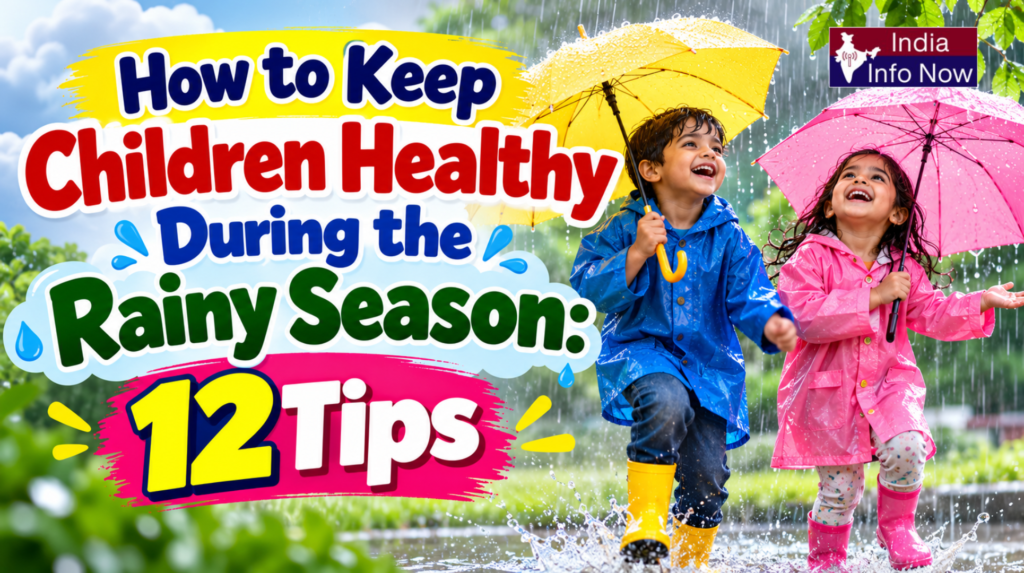
1. Keep Children Dry and Comfortable
Children may get caught in unexpected showers while travelling to school or playing outdoors. Staying in wet clothes can cause discomfort and skin irritation, while damp footwear may encourage fungal growth.
Help your child stay comfortable by following these simple steps:
Keep an extra set of clothes in their schoolbag during rainy days.
Encourage them to change out of wet clothes as soon as possible.
Choose breathable, comfortable fabrics that are suitable for the weather.
Dry socks and shoes thoroughly before using them again.
Pay attention to skin folds and feet, keeping them clean and dry.
Getting wet in the rain does not directly cause a viral cold, but changing into dry clothes can improve comfort and help prevent prolonged dampness and skin problems.
2. Provide a Balanced, Nutritious Diet
A healthy diet supplies the nutrients children need for growth, development, and normal immune function. During the rainy season, maintaining regular, balanced meals is particularly important.
Include a variety of nutritious foods in your child’s daily diet, such as:
Fresh fruits: Guava, oranges, apples, papaya, and other thoroughly washed fruits.
Vegetables: Carrots, spinach, pumpkin, beans, and other seasonal vegetables.
Protein-rich foods: Eggs, lentils, beans, fish, or other suitable protein sources.
Whole grains: Oats, whole-wheat foods, and other fibre-rich grains.
Healthy homemade meals: Freshly prepared soups, vegetable dishes, and balanced meals.
Avoid relying on a single food or supplement to prevent illness. A varied diet, adequate sleep, regular activity, and good hygiene work together to support children’s overall health.
3. Ensure Safe Drinking Water
Water contamination can become a serious concern during heavy rainfall, flooding, or disruptions to water supplies. Drinking contaminated water can lead to illnesses such as diarrhoea and other gastrointestinal infections.
To reduce these risks:
Provide drinking water from a reliable, safe source.
Boil water when local authorities recommend it or when the safety of the supply is uncertain.
Allow boiled water to cool and store it in a clean, covered container.
Send children to school with a clean, refillable water bottle.
Avoid ice and drinks prepared with water from unverified sources.
If your area experiences flooding or a water-supply warning, follow local public health instructions about drinking water safety.
4. Protect Children From Mosquito Bites
Rainwater collecting in containers and other outdoor spaces creates breeding opportunities for mosquitoes. Certain mosquitoes transmit diseases such as dengue, malaria, and chikungunya, depending on the region.
Parents can reduce children’s exposure by taking these precautions:
Dress children in lightweight, long-sleeved shirts and long trousers when practical.
Use mosquito nets, particularly while children sleep.
Install or maintain insect screens on windows and doors.
Empty standing water from plant saucers, buckets, coolers, and other containers regularly.
Keep outdoor areas free of discarded items that collect rainwater.
Use a mosquito repellent appropriate for your child’s age and follow the product label carefully.
Do not assume that products described as natural or herbal are automatically safe for children. Avoid applying undiluted essential oils directly to their skin. For babies and young children, check the age restrictions and seek advice from a healthcare professional if necessary.
5. Encourage Good Personal Hygiene
Children frequently touch toys, school supplies, playground equipment, and other shared surfaces. Good hygiene helps reduce the spread of many infectious diseases.
Teach children to wash their hands with soap and water for at least 20 seconds, particularly:
Before eating or handling food
After using the toilet
After playing outdoors
After touching muddy or potentially contaminated surfaces
After coughing, sneezing, or blowing their nose
Keep their fingernails short and clean, provide clean towels, and encourage regular bathing.
If soap and water are unavailable, an appropriate alcohol-based hand sanitizer can be used under adult supervision. Hand sanitizer is not a substitute for washing visibly dirty hands.
6. Avoid Unhygienic Street Food
Warm, humid conditions and poor food-handling practices can increase food safety risks. Children may be particularly vulnerable to dehydration if they develop diarrhoea or vomiting.
During the rainy season, encourage children to choose freshly prepared food from hygienic sources.
Follow these food safety practices:
Avoid uncovered street food exposed to dust, insects, and contaminated water.
Be cautious with pre-cut fruits and raw salads when their washing and storage conditions are uncertain.
Wash fruits and vegetables thoroughly with safe water.
Cook food properly and serve it fresh.
Refrigerate perishable foods promptly.
Avoid food that has been exposed to floodwater or stored under unsafe conditions.
You do not need to eliminate every restaurant meal. Instead, choose places that follow good food hygiene practices and serve properly handled food.
7. Choose Appropriate Rain Gear
Suitable rainwear helps children travel more comfortably and reduces exposure to wet and windy conditions.
Consider keeping these essentials ready during the monsoon:
A lightweight raincoat or suitable umbrella
Water-resistant footwear with a good grip
An extra pair of socks
A waterproof schoolbag cover
A spare set of comfortable clothing
Choose footwear that fits properly and does not become slippery when wet. Dry shoes thoroughly after use and clean them regularly.
Avoid allowing children to walk barefoot through puddles, floodwater, or muddy areas, as these may contain harmful microorganisms, sewage, sharp objects, or other hazards.
8. Encourage Safe Indoor Activities
Heavy rainfall can make outdoor play unsafe, especially during thunderstorms, flooding, or strong winds. Children still need opportunities to move, explore, and enjoy themselves.
Create a healthy indoor routine with activities such as:
Dancing to music
Simple yoga and stretching
Age-appropriate indoor games
Puzzles and building blocks
Drawing, painting, and crafts
Reading books and educational activities
Encourage regular movement breaks rather than allowing children to spend the entire rainy day sitting in front of a television or mobile device.
If the weather improves, outdoor play can resume when conditions are safe and the play area is free from hazards.
9. Maintain a Regular Sleep Schedule
Adequate sleep supports children’s growth, learning, emotional regulation, and general well-being. Changes in weather and indoor routines can sometimes disrupt normal sleeping patterns.
Help your child maintain a consistent bedtime and waking time. Keep the bedroom comfortable, quiet, and well ventilated when conditions permit.
Reduce screen use before bedtime and establish a calming evening routine, such as reading a story or listening to quiet music.
Sleep requirements vary by age. As a general guide, children aged 3–5 usually need 10–13 hours of sleep per day, school-aged children aged 6–12 need 9–12 hours, and teenagers aged 13–18 need 8–10 hours, including naps where applicable.
10. Keep the Home Clean and Well Ventilated
Excess moisture during the rainy season can contribute to mold growth, unpleasant odours, and dust mite problems. These may aggravate allergies or asthma in susceptible children.
To maintain a healthier home environment:
Repair leaks and address damp patches promptly.
Clean and dry areas where moisture collects.
Keep bathrooms and kitchens adequately ventilated.
Remove visible mold safely and seek professional help for extensive growth.
Wash and dry bedding regularly.
Avoid indoor smoking and exposure to irritating fumes.
If your child has asthma or allergies, pay attention to symptoms that worsen in damp rooms. Follow their prescribed treatment plan and consult their healthcare professional when symptoms become difficult to manage.
11. Keep Up With Vaccinations and Preventive Care
Good hygiene and healthy eating are important, but they cannot prevent every infection. Recommended vaccinations offer protection against specific diseases and can reduce the risk of serious complications.
Check that your child’s vaccinations are up to date according to your local immunization schedule. Discuss any missed doses or additional recommended vaccines with your pediatrician.
Parents should also ensure that children receive appropriate medical attention when symptoms develop. Avoid giving antibiotics without medical advice, as antibiotics do not treat viral infections.
Do not give children high-dose vitamins, herbal remedies, or immunity supplements unless their use is appropriate for the child’s age and medical needs.
12. Recognize Warning Signs and Seek Medical Advice
Many mild illnesses can be managed with appropriate rest, fluids, and guidance from a healthcare professional. However, some symptoms require prompt medical assessment.
Watch for:
Persistent or high fever
Repeated vomiting or diarrhoea
Reduced urination or other signs of dehydration
Severe abdominal pain
Unusual drowsiness or worsening weakness
Persistent coughing or breathing difficulties
A rash accompanied by fever or other concerning symptoms
Seek urgent medical care if your child has difficulty breathing, becomes confused or difficult to wake, experiences a seizure, or shows signs of severe dehydration. A fever in a baby younger than three months requires urgent medical assessment.
During the rainy season, do not ignore persistent fever, severe body aches, unusual bleeding, or significant abdominal pain, particularly in areas where mosquito-borne illnesses are common.
Avoid self-medicating children, and contact a pediatrician when symptoms are severe, persistent, or worsening.
Final Thoughts
Keeping children healthy during the rainy season requires a combination of good hygiene, safe food and water, mosquito protection, appropriate clothing, and healthy daily routines.
Make sure your child changes out of wet clothes, eats balanced meals, drinks safe water, washes their hands regularly, and sleeps well. Keep the home clean, eliminate stagnant water, and maintain recommended vaccinations.
Most importantly, pay attention to changes in your child’s health and seek medical advice when necessary. With these practical precautions, parents can help children enjoy the rainy season more safely while maintaining their everyday well-being.
Frequently Asked Questions
1. Why do children get sick more often during the rainy season?
Rainy weather can coincide with conditions that favour mosquito breeding, damp indoor environments, and exposure to contaminated food or water. Respiratory viruses can also circulate during seasonal transitions. These factors may increase certain health risks, but rain itself does not directly cause every illness.
2. What foods should children eat during the monsoon?
Offer a balanced diet containing fresh fruits, vegetables, whole grains, protein-rich foods, and sufficient fluids. Wash produce thoroughly and ensure meals are prepared and stored safely.
3. How can I protect my child from mosquito-borne diseases?
Remove stagnant water, use mosquito nets and window screens, dress children in protective clothing, and apply age-appropriate mosquito repellents according to the label instructions.
4. Is it safe for children to play in the rain?
Light rain may be manageable under suitable conditions, but children should stay indoors during thunderstorms, lightning, strong winds, or flooding. Avoid puddles and floodwater that may contain contaminants or hidden hazards.
Most Popular
-
 How to Keep Children Healthy During the Rainy Season: 12 Tips
-
 12 Desk Exercises for People Who Work Long Hours
-
 How to Stay Healthy During Sudden Weather Changes: 15 Tips
-
 முத்தைத்தரு பத்தித் திருநகை திருப்புகழ் பாடல் வரிகள் தமிழில் | முருகன் பாடல்
-
 வேல்மாறல் மகா மந்திரம் வரிகள் தமிழில் | முருகன் வழிபாடு