
Table of Contents
ToggleHow to Start a Retail Apparel Business in India
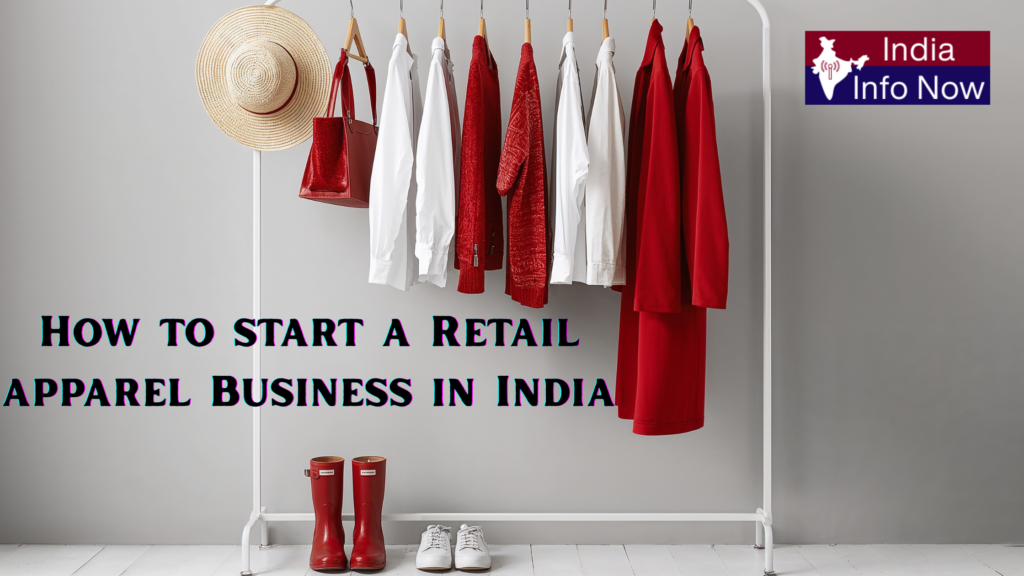
Starting a retail apparel business in India is an exciting opportunity, thanks to the country’s fast-growing fashion market, rising disposable income, and booming e-commerce ecosystem. However, success requires more than just good designs — it demands smart planning, clear branding, and efficient operations. Here’s a refreshed, structured guide to help you launch a successful retail apparel business in India.
India is not a single uniform market — it is a mix of urban metros, tier-1 and tier-3 cities, and rural regions, each with unique fashion preferences. Clothing choices vary by climate, culture, lifestyle, and income levels. For example, urban youth may prefer western streetwear, while smaller cities may lean toward ethnic or fusion fashion.
Study seasonal and festive trends such as Diwali, Eid, and wedding seasons, which significantly increase apparel demand. Also consider the growing interest in sustainable and ethical fashion, as more consumers are choosing eco-friendly brands.
Define Your Niche and Target Audience
Trying to serve everyone often leads to weak brand positioning. Instead, focus on a niche such as:
Affordable mass-market fashion
Luxury or designer wear
Sustainable or organic clothing
Athleisure and casual wear
Plus-size or inclusive fashion
Identify who your customers are — college students, working professionals, or niche fashion enthusiasts. Use tools like Google Trends, Instagram hashtags, and online forums to understand what your audience wants and what competitors are missing.
Create a Strong Business Plan
A detailed business plan acts as your roadmap. It should include:
Product design and sourcing strategy
Pricing model and profit margins
Marketing and branding strategy
Sales channels (online, offline, or hybrid)
Estimated startup and operational costs
In India, you must also complete legal formalities such as business registration, GST registration (if applicable), trade license, and trademark protection. These steps build credibility and protect your brand.
Develop Your Clothing Line
Design is where your vision becomes real. Focus on comfort, fit, and practicality along with style. Consider Indian body types, regional climate, and daily wear needs. Start with a small collection and create samples before full production.
Choose reliable textile suppliers and manufacturers. Evaluate them based on quality, pricing, minimum order quantities, and delivery timelines. Efficient sourcing ensures profitability and consistent product quality.
Build a Memorable Brand Identity
Branding is more than a logo — it is the emotional connection customers feel with your products. Invest in:
A memorable brand name and logo
Consistent colors, fonts, and packaging
A clear brand voice across social media and website
A compelling brand story that reflects your values
Create a simple style guide so your branding stays consistent as your business grows.
Set Up Sales Channels
You can start with an online store, a physical retail outlet, or a hybrid model.
An online store requires an e-commerce website with secure payments, catalog management, and social media integration. Platforms like Shopify or marketplace integrations with Amazon and Myntra can help you reach a national audience.
If you open a physical store, choose a high-footfall location with reasonable rent and visibility. Ensure the store layout is attractive and customer-friendly.
Leverage Digital Marketing and Social Media
Instagram and other social platforms are powerful tools for apparel brands. Collaborate with micro-influencers, post engaging visual content, and use storytelling to showcase your products. Paid ads, email marketing, and festive promotions can further increase visibility.
Customer reviews and user-generated content build trust and encourage repeat purchases.
Manage Operations and Technology
Invest in essential tools such as inventory management software, billing systems, and customer relationship management (CRM). These technologies help track sales, manage stock, and improve customer service.
Operational costs include employee salaries, warehousing, logistics, utilities, and marketing expenses. Plan your finances carefully and explore funding options like personal savings, bank loans, or investor support.
Handle Returns and Customer Experience
Apparel businesses must manage sizing issues and returns effectively. Analyze return reasons to improve product quality and descriptions. Provide clear exchange policies and responsive customer support to build long-term trust.
Conclusion
Starting a retail apparel business in India requires creativity, discipline, and strategic planning. By focusing on a niche, building a strong brand, leveraging digital platforms, and maintaining efficient operations, you can create a competitive and profitable clothing business in India.
Frequently Asked Questions
1. How much investment is required to start a retail apparel business in India?
The investment can range from ₹2 lakhs to ₹10 lakhs or more, depending on whether you start online, open a small boutique, or launch a full retail store. Costs include inventory, rent, branding, website setup, and marketing.
2. What licenses are required to start an apparel business in India?
You typically need GST registration, Shop and Establishment License, business registration (sole proprietorship/LLP/private limited), and trademark registration for brand protection.
3. Is an online or offline apparel store better for beginners?
An online store is often better for beginners because it requires lower startup costs and allows you to reach a wider audience. Many successful brands start online and later expand into physical retail.
4. How can I attract customers to a new clothing brand?
Use social media marketing, influencer collaborations, online marketplaces, discounts, and strong visual branding. Consistent engagement and quality products help build loyal customers.
Most Popular
-
 Gold Price Today (28th March 2026): 10g 24K & 22K Gold Rate in India
 -
 Silver Price Today (28th March 2026): 1g 10g Silver Rate in India
 -
 Silver Price Today (23rd March 2026): 1g 10g Silver Rate in India
 -
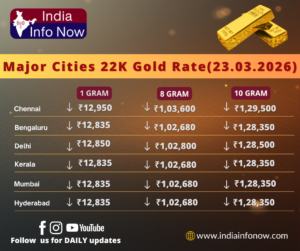 Gold Price Today (23rd March 2026): 10g 24K & 22K Gold Rate in India
 -
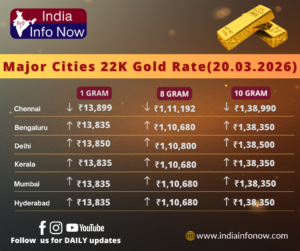 Gold Price Today (21st March 2026): 10g 24K & 22K Gold Rate in India