
Table of Contents
ToggleHow to Start a Business in ₹50K Budget (Step-by-Step Guide)

Starting a business in ₹50K budget is not only possible in India — it’s becoming increasingly common. With digital tools, home-based setups, and growing demand for affordable services, entrepreneurs can build sustainable ventures without heavy investment. The key lies in smart planning, understanding market demand, and using your skills effectively.
Below is a practical step-by-step roadmap to help you start a successful business within a ₹50K budget.
The foundation of any successful business is choosing an idea that matches your skills, interests, and market demand. Start by evaluating what you are good at — cooking, teaching, designing, organizing events, or digital work.
Next, research whether people are willing to pay for your product or service. Identify your target audience and analyze competitors in your area. Look for gaps in the market where you can offer better pricing, quality, or convenience.
Some profitable business ideas under ₹50,000 include:
Tiffin or food delivery services
Online tutoring or coaching
Handmade crafts or clothing
Photography services
Event planning
YouTube or content creation
Salon or beauty services
Cleaning and sanitization services
Choose an idea that excites you. Passion improves long-term commitment and increases your chances of success.
Step 2: Develop a Simple Business Plan
Even a small business needs a clear roadmap. A basic business plan should include:
Your business goals and vision
Description of products or services
Target customers
Pricing strategy
Expected startup costs
Revenue projections
This plan doesn’t need to be complex. A simple written outline helps you stay focused and manage resources efficiently.
Step 3: Secure Legal and Registration Requirements
Registering your business builds trust and ensures compliance. Depending on your business type, you may need:
Sole proprietorship registration
Udyam (MSME) registration
GST registration (if applicable)
Local licenses and permits
Opening a dedicated business bank account keeps personal and business finances separate. Consulting a legal or accounting professional can help you avoid future complications.
Step 4: Create a Financial and Marketing Plan
With a ₹50K budget, smart allocation of funds is critical. Divide your budget into:
Equipment and tools
Raw materials or supplies
Branding and marketing
Emergency reserve
Focus on low-cost digital marketing. Create a simple website or social media page. Platforms like Instagram, WhatsApp Business, and Facebook are powerful tools for reaching customers without heavy advertising costs.
Step 5: Establish Your Brand and Online Presence
Your brand identity should reflect professionalism and trust. Design a simple logo, consistent color theme, and clear messaging.
Build an online presence through:
Social media accounts
Google Business profile
Basic website or landing page
High-quality photos and clear communication make your business appear credible and attractive.
Step 6: Launch and Implement Marketing Strategies
Once ready, officially launch your business. Use marketing strategies such as:
Introductory offers and discounts
Referral programs
Local networking
Social media promotions
Search engine optimization (SEO)
Attend local events or join co-working communities to connect with potential clients and partners.
Step 7: Deliver Exceptional Customer Service
Customer satisfaction drives long-term growth. Provide reliable service, maintain product quality, and respond quickly to feedback.
Happy customers become repeat buyers and recommend your business to others. Word-of-mouth marketing is extremely powerful for small businesses.
Benefits of Starting a Business in ₹50K Budget
Starting small offers several advantages:
Low Financial Risk: Minimal investment reduces the fear of failure and financial strain.
Greater Flexibility: Many low-budget businesses can operate from home, lowering overhead costs.
High Growth Potential: With dedication, a small business can scale into a larger enterprise.
Full Control: You manage operations, decisions, and profits.
Personal Satisfaction: Running your own business provides a strong sense of achievement.
Key Factors to Consider Before Starting
Skills and Expertise: Use your strengths as a competitive advantage.
Passion and Interest: Working in a field you enjoy improves motivation and commitment.
Market Demand: Choose a business people actively need and are willing to pay for.
Financial Resources: Start lean and avoid unnecessary expenses.
Time Commitment: Decide whether you want a part-time or full-time business.
Growing Your Business Over Time
To scale your startup:
Maintain product or service quality
Offer competitive pricing
Innovate continuously
Collect and act on customer feedback
Expand services gradually
Many successful businesses in India began with small investments and grew through smart reinvestment and customer loyalty.
Conclusion
Starting a business with a ₹50K budget is about working smart, staying consistent, and focusing on customer value. With the right planning and execution, even a modest investment can lead to a profitable and sustainable venture.
Frequently Asked Questions
1. Can I really start a business with ₹50,000 in India?
Yes, many small businesses can be started with ₹50,000, especially home-based or service businesses like food delivery, tutoring, digital marketing, handmade products, and online content creation. Smart budgeting and low overhead costs are key to success.
2. What are the best businesses to start under ₹50,000?
Some of the best options include tiffin or food delivery services, tutoring, event planning, photography, handmade crafts, YouTube content creation, salon services, and small online businesses.
3. Do I need to register my business if I start with a small budget?
Yes, registering your business is recommended. Even small businesses should obtain necessary licenses, GST registration (if applicable), and choose a suitable business structure to operate legally and build credibility.
4. How can I market my business on a low budget?
You can use free or low-cost marketing strategies like social media promotion, WhatsApp marketing, Google Business Profile, word-of-mouth referrals, and basic SEO to attract customers without spending heavily.
Most Popular
-
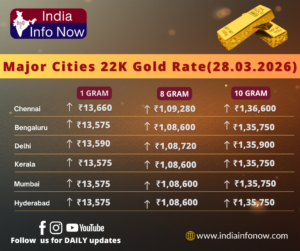 Gold Price Today (28th March 2026): 10g 24K & 22K Gold Rate in India
 -
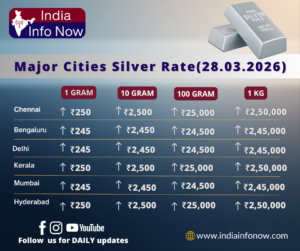 Silver Price Today (28th March 2026): 1g 10g Silver Rate in India
 -
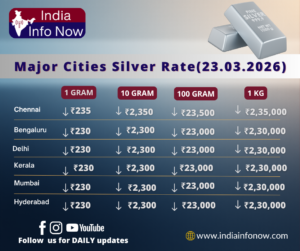 Silver Price Today (23rd March 2026): 1g 10g Silver Rate in India
 -
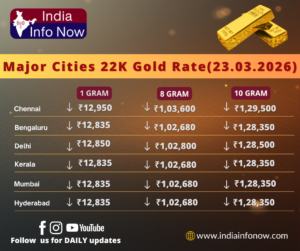 Gold Price Today (23rd March 2026): 10g 24K & 22K Gold Rate in India
 -
 Gold Price Today (21st March 2026): 10g 24K & 22K Gold Rate in India