
Table of Contents
ToggleHow to Set Up a Cafe Startup in 2026
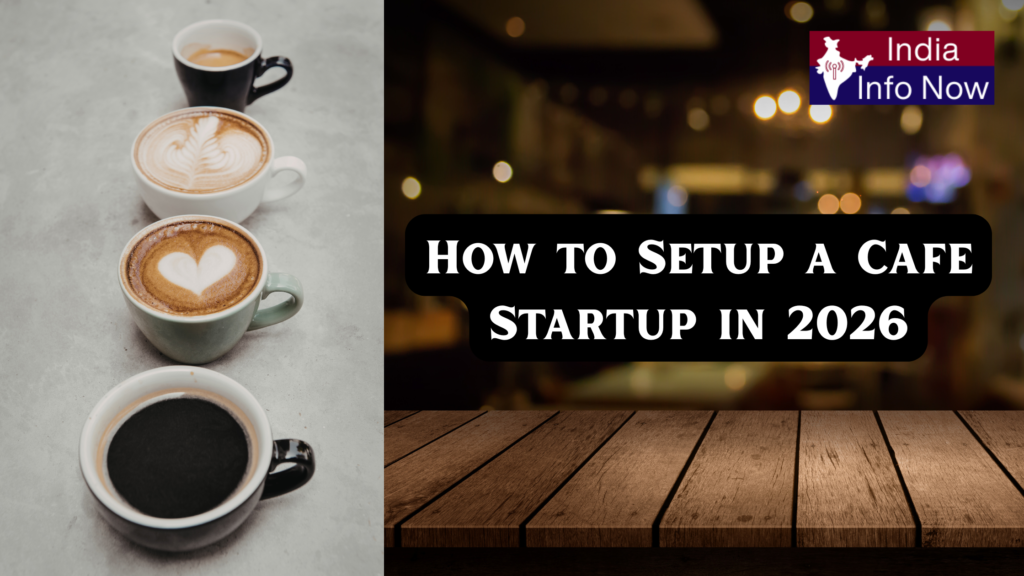
Launching a cafe startup in 2026 is an exciting opportunity, but the industry is more competitive and technology-driven than ever. Customers now expect not just good coffee, but a seamless experience, comfortable spaces, and digital convenience. To succeed, you need a clear concept, smart financial planning, and a strong focus on customer experience. Here’s a complete guide to setting up a modern cafe startup in 2026.
The cafe industry is evolving rapidly. Sustainability, digital ordering, and multifunctional spaces are shaping customer expectations. Many cafes now use eco-friendly packaging and ethically sourced ingredients. Delivery apps and digital platforms help businesses reach customers beyond walk-in traffic.
Coworking-style cafes are also growing in popularity, especially among remote workers and students. Customers look for reliable Wi-Fi, charging points, and comfortable seating. Health-conscious menus, specialty coffee, and quick-service formats are thriving. Before starting, study your local market, competitors, and customer demographics to identify opportunities.
Define Your Cafe Concept and Unique Selling Proposition
A strong concept is the foundation of your cafe startup. Decide what type of cafe you want to run: a specialty coffee shop, quick-service takeaway cafe, coworking cafe, or a themed experience cafe. Your concept should clearly answer what makes your cafe different.
Your unique selling proposition (USP) could be artisanal brewing methods, specialty beans, health-focused beverages, or a strong community atmosphere. Some innovative themes include coffee tasting flights, coffee-and-vinyl lounges, or hybrid coffee-and-cocktail spaces. A clear concept helps shape your menu, branding, and operations.
Create a Detailed Business Plan
A well-structured business plan guides your decisions and helps secure funding. Include revenue projections, startup costs, break-even analysis, and operational strategies. Estimate expenses such as rent, renovations, equipment, licenses, staff salaries, and marketing.
In 2026, financial planning must also include technology investments like POS systems, mobile ordering platforms, and inventory management tools. Most cafes take several months to break even, so plan working capital carefully.
Choose the Right Location
Location remains one of the most critical success factors. High-visibility areas near offices, colleges, or residential communities attract steady foot traffic. Match your location to your target audience. Business districts favor quick-service cafes, while student areas support relaxed, affordable spaces.
Evaluate rent, renovation needs, accessibility, and parking. Ensure the space supports efficient workflow and equipment installation. A good location balances visibility with sustainable operating costs.
Plan Cafe Setup and Interior Design
Your cafe’s design should create a welcoming and functional environment. Focus on comfortable seating, good lighting, and a layout that supports smooth customer flow. Design spaces for both quick visits and longer stays.
Invest in high-quality equipment, especially commercial coffee machines, grinders, refrigeration, and storage. Efficient setup improves service speed and beverage consistency. Incorporate sustainable materials and energy-efficient appliances where possible.
Build a Memorable Customer Experience
Customer experience is what keeps people coming back. Train staff to provide personalized, friendly service. Encourage baristas to engage with customers and create a welcoming atmosphere.
Implement fast ordering systems such as mobile apps or self-service kiosks to reduce wait times. Loyalty programs reward repeat customers and strengthen relationships. Community engagement — hosting events, supporting local artists, or organizing workshops — builds a sense of belonging around your cafe.
Develop a Smart Menu Strategy
Your menu should be clear, flexible, and aligned with your concept. Offer a balanced mix of signature drinks, popular classics, and seasonal items. Health-conscious and specialty options can attract modern customers.
Use digital menu systems to update prices and items easily. A well-structured menu speeds up ordering, reduces errors, and improves kitchen coordination.
Leverage Technology for Operations
Technology is essential for running an efficient cafe in 2026. Use integrated systems for billing, inventory tracking, staff management, and customer analytics. These tools help you monitor performance, reduce waste, and improve decision-making.
Digital ordering, online delivery integration, and customer data tracking allow you to personalize marketing and optimize operations.
Marketing and Community Building
Strong marketing creates visibility and brand loyalty. Use social media to showcase your cafe’s atmosphere, menu, and events. Collaborate with influencers and encourage customer-generated content.
Promotions, opening offers, and loyalty rewards attract first-time visitors. Consistent branding across online and offline channels builds recognition and trust.
Conclusion
Setting up a cafe startup in 2026 requires more than passion for coffee. It demands strategic planning, technology adoption, and a relentless focus on customer experience. By combining a clear concept, efficient operations, and strong community engagement, you can build a cafe that stands out in a competitive market.
Starting a retail apparel business in India requires creativity, discipline, and strategic planning. By focusing on a niche, building a strong brand, leveraging digital platforms, and maintaining efficient operations, you can create a competitive and profitable clothing business in India.
Frequently Asked Questions
1. How do I choose the best location for a cafe startup?
Select a location with high foot traffic, good visibility, easy accessibility, and a customer base that matches your cafe concept, such as students, professionals, or families.
2. What technology is essential for a modern cafe in 2026?
Modern cafes should use POS systems, digital payment options, online ordering platforms, inventory management software, and customer loyalty apps.
3. What are the key factors for running a successful cafe?
Consistent product quality, excellent customer service, efficient operations, a comfortable ambiance, and smart marketing are essential for long-term success.
4. Is the cafe business profitable in 2026?
Yes, a well-managed cafe can be profitable if it controls costs, maintains steady customer flow, and offers a unique experience that encourages repeat visits.
Most Popular
-
 Gold Price Today (28th March 2026): 10g 24K & 22K Gold Rate in India
 -
 Silver Price Today (28th March 2026): 1g 10g Silver Rate in India
 -
 Silver Price Today (23rd March 2026): 1g 10g Silver Rate in India
 -
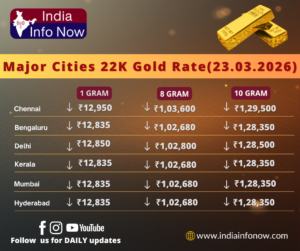 Gold Price Today (23rd March 2026): 10g 24K & 22K Gold Rate in India
 -
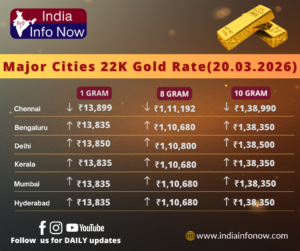 Gold Price Today (21st March 2026): 10g 24K & 22K Gold Rate in India