
Table of Contents
ToggleImportant Things to Consider Before Buying Land in Trichy

Buying land in Trichy is a long-term and safe investment. Trichy (Tiruchirappalli) is rapidly emerging as a preferred real estate destination in Tamil Nadu due to its strong infrastructure growth, educational institutions, industrial hubs, and improving connectivity. Areas like Panjapur, Trichy–Madurai NH, and upcoming residential corridors are witnessing increased demand for plotted developments. However, buying land is a long-term investment and requires careful due diligence to avoid legal and financial risks.
Here are the most important things to check before buying land in Trichy.
The most important checklist before buying plot in Trichy is that the land has a clear and marketable title. Verify the title deed to confirm that the seller is the rightful owner and has the legal authority to sell the property. Always ask for the chain of ownership documents, preferably covering the last 20–30 years.
Obtain an Encumbrance Certificate (EC) from the Sub-Registrar Office or via the Tamil Nadu e-Services portal. This document confirms whether the land is free from loans, mortgages, litigation, or legal disputes. A clean EC protects you from future ownership claims.
It is strongly recommended to consult a qualified property lawyer to verify all legal documents before finalizing the deal.
2. DTCP / Local Body Approval
For the best land purchase in Trichy Tamil Nadu, ensure the land is part of an approved layout. DTCP (Directorate of Town and Country Planning) approval is mandatory for plotted developments outside corporation limits, while municipal or panchayat approvals apply in other areas.
Buying unapproved plots can lead to:
Difficulty in getting building approval
Issues with bank loan eligibility
Risk of demolition or penalties
Always verify the approval number, issuing authority, and layout plan before purchasing.
3. Land Use Zoning and Classification
One of the important things to check before buying land in Trichy is to confirm the land use zoning as per the Trichy master plan. The plot should be classified for residential or commercial use, depending on your purpose. Avoid buying land in green belt zones, water bodies, or restricted areas unless official reclassification has been completed.
Also check Patta, Chitta, and Adangal records:
Patta confirms ownership
Chitta indicates land classification (wet/dry)
Adangal shows land usage history
These documents help ensure the land is legally suitable for construction.
4. Location and Connectivity
Location plays a major role in land appreciation. Look for plots with:
Easy access to highways and arterial roads
Proximity to schools, hospitals, and commercial areas
Future infrastructure projects like bus terminals, industrial parks, or IT hubs
Areas such as Panjapur, located along the Trichy–Madurai National Highway, are gaining attention due to upcoming developments and improved connectivity.
5. Physical Site Verification
Never rely solely on documents. Always visit the site and verify:
Plot boundaries with a licensed surveyor
Road access and width
Availability of drainage and stormwater facilities
Any encroachments or disputes
Check whether the roads, parks, and common areas have been officially handed over to the local body through proper gift deeds.
6. Amenities and Infrastructure
A good plot is not just about land—it’s also about surrounding infrastructure. An important checklist before buying plot in Trichy includes looking for layouts that offer the following:
Proper internal roads
Street lighting
Water supply and electricity connections
Drainage and sewage systems
Proximity to schools, colleges, hospitals, and markets adds long-term value and improves resale potential.
7. Seller Identity and Authority
Verify the seller’s identity using Aadhaar, PAN, or company registration documents. If the property is inherited or jointly owned, ensure that all legal heirs or owners have provided consent to sell.
For company-owned land, confirm the board resolution or power of attorney authorizing the sale.
8. Sale Deed and Registration
The sale deed is the most important document in a land transaction. It legally transfers ownership from seller to buyer and must be registered at the local Sub-Registrar Office.
Ensure the sale deed includes:
Accurate property description and boundaries
Correct buyer and seller details
Sale consideration and payment terms
Witness signatures
Without registration, ownership is not legally recognized.
9. Bank Loan Eligibility
If you plan to finance the purchase, check whether the plot is bank-loan approved. Banks generally prefer DTCP-approved layouts with clear titles and proper documentation. Never rely on verbal assurances—verify directly with the bank.
10. Pricing, Budget, and Future Value
For land purchase in Trichy Tamil Nadu, compare land prices across multiple projects in Trichy to understand market value. Consider not just the current price but also:
Development potential
Future infrastructure growth
Resale and rental prospects
Factor in additional costs such as stamp duty, registration charges, legal fees, and development expenses.
Final Thoughts: Buying Land in Trichy
Buying land in Trichy can be a rewarding investment if done correctly. Thorough legal verification, proper approvals, strategic location selection, and physical site inspection are non-negotiable steps. Taking the time to conduct due diligence today can save you from costly disputes tomorrow.
Frequently Asked Questions
1. Can I get a bank loan for buying land in Trichy?
Yes, banks provide loans for DTCP-approved plots with clear titles and proper documentation. Loan eligibility depends on layout approval, ownership clarity, and location.
2.What documents should I check before buying land in Trichy?
Important checklist before buying plot in Trichy includes key documents, including a sale deed, parent document (mother deed), Patta, Chitta, encumbrance certificate, DTCP approval, and property tax receipts.
3.How do I confirm land boundaries before purchase?
Before buying land in Trichy, you should conduct a physical site visit and measure the plot using a licensed surveyor. Field Measurement Book (FMB) records can help verify boundaries accurately.
4.Is physical site inspection necessary even if documents are clear?
Yes, physical inspection is essential to verify road access, plot dimensions, encroachments, and surrounding infrastructure.
Most Popular
-
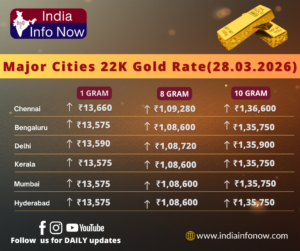 Gold Price Today (28th March 2026): 10g 24K & 22K Gold Rate in India
 -
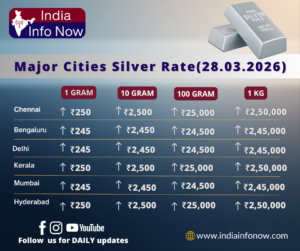 Silver Price Today (28th March 2026): 1g 10g Silver Rate in India
 -
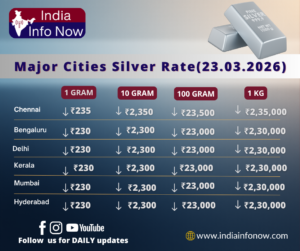 Silver Price Today (23rd March 2026): 1g 10g Silver Rate in India
 -
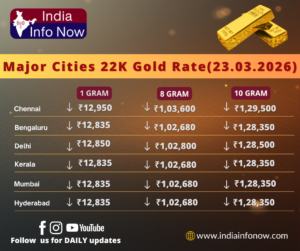 Gold Price Today (23rd March 2026): 10g 24K & 22K Gold Rate in India
 -
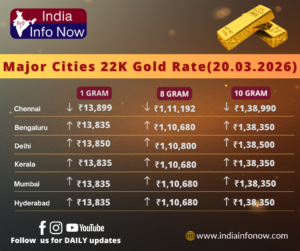 Gold Price Today (21st March 2026): 10g 24K & 22K Gold Rate in India