
Table of Contents
ToggleImportant Things to Consider Before Buying Land in Madurai

Buying land in Madurai is a valuable investment decision, whether you are planning to build a home or invest for future appreciation. Madurai, one of Tamil Nadu’s oldest and fastest-developing cities, offers a mix of cultural heritage, growing infrastructure, and expanding residential zones. However, purchasing land requires careful legal, financial, and technical verification to avoid future risks. Here are the most important factors to consider before buying land in Madurai.
One of the important things to consider before buying land in Madurai is title verification. The first and most critical step is to ensure the land has a clear and marketable title. The seller must have full legal rights to sell the property.
Ask for:
Original title deed
Previous ownership documents
Mother deed covering at least the past 30 years
Encumbrance Certificate (EC) for 15–30 years
Why this matters:
Any dispute in ownership can result in legal battles or loss of investment. A clear title guarantees your legal ownership and resale eligibility.
2. Approval from Planning Authorities (DTCP / CMDA / RERA)
Always verify whether the land is part of an approved layout. In Madurai and surrounding areas, approvals may include:
DTCP approval for suburban and rural layouts
Local body approval for municipal areas
RERA registration for developer-promoted projects
Approved layouts ensure proper road access, drainage, electricity, water supply, and long-term infrastructure development. Unapproved plots often face restrictions on construction, resale, and loan eligibility.
3. Land Use Zoning and Master Plan Check
Before buying land in Madurai, confirm the land-use classification as per the Madurai Master Plan. The plot must be zoned for residential use.
Check whether the land falls under:
Residential zone
Agricultural zone
Industrial or commercial zone
Conservation or water-body zone
Buying land in the wrong zone can prevent construction or attract penalties and demolition notices in the future.
4. Encumbrance Certificate (EC)
The Important checklist before buying land in Madurai includes the Encumbrance Certificate, confirming whether the property is free from legal or financial liabilities such as loans, mortgages, or court cases.
Obtain the EC from the Sub-Registrar Office or online through TNREGINET.
Form 15 – shows transaction history
Form 16 – indicates no transactions
A clean EC ensures the land is safe for purchase and free from hidden liabilities.
5. Patta and Chitta Verification
Patta and Chitta are essential legal documents for land purchase in Madurai.
Patta confirms legal ownership
Chitta specifies land classification (wetland or dry land)
These documents are now merged into a single record issued by the Tamil Nadu government.
Verify:
Owner’s name
Survey number and subdivision
Land classification
Area measurement
These records confirm that the land is not government property or encroached land.
6. Land Conversion Certificate (If Applicable)
One of the important things to consider before buying land in Madurai is land conversion.If the land was originally agricultural, ensure it has been legally converted for residential use.
Ask for:
Land conversion (NA) certificate
Construction on non-converted agricultural land is illegal and may lead to fines, demolition, or denial of utility connections.
7. Seller Identity and Authority to Sell
Verify the seller’s identity using:
Aadhaar card
PAN card
Ensure the seller has full authority to sell, especially in cases of:
Inherited property
Joint ownership
Company-owned land
Power of Attorney sales
This prevents fraud and ensures smooth registration for land purchase in Madurai.
8. Roads, Access, and Civic Handover
An important checklist before buying land in Madurai includes road access. Ensure that:
The access road to the plot is legally approved
Roads and park areas have been handed over to the local body via gift deed
The plot has proper right-of-way access
Plots without proper road access can face serious legal and practical issues.
9. Tax-Paid Receipts and Utility Dues
Before buying land in Madurai, verify that all government taxes and utility charges are fully paid, including:
Property tax
Water charges
Electricity dues
Ask for the latest original receipts to avoid inheriting unpaid liabilities.
10. Approved Layout and Building Plan
Ensure the plot layout and proposed building plan are approved by:
DTCP
Local municipality or panchayat
Unauthorized layouts or deviated constructions may attract enforcement action, penalties, or demolition.
11. Sale Deed and Registration Process
The sale deed is the final and one of the most important legal documents for land purchase in Coimbatore, confirming ownership transfer.
Ensure the sale deed includes:
Accurate buyer and seller details
Correct property boundaries and survey numbers
Sale consideration value
Witness signatures
Register the document at the Sub-Registrar Office to obtain full legal ownership rights.
12. Future Development and Investment Potential
Madurai is witnessing steady infrastructure growth, including road expansions, residential townships, and commercial developments. For the best land purchase in Madurai, research upcoming projects near the plot, as they can significantly increase land value over time.
Land near:
Educational institutions
Industrial corridors
Major highways
Proposed infrastructure projects
tends to appreciate faster and offers better resale potential.
Frequently Asked Questions
1. Is DTCP approval mandatory for buying land in Madurai?
Yes, DTCP approval is highly recommended, especially for plots in suburban and developing areas. Approved layouts ensure legal construction, access to civic amenities, and better resale and loan eligibility.
2. What is an Encumbrance Certificate and why is it important?
Legal documents for land purchase in Madurai include an encumbrance certificate. An Encumbrance Certificate (EC) shows whether the land has any legal or financial liabilities. A clean EC confirms the property is free from mortgages, loans, or litigation, making it safe to purchase.
3.What is Patta and why should I verify it before buying land?
A Patta is a land revenue record issued by the Tamil Nadu government that confirms ownership. It includes details like survey number, land classification, and area, helping buyers avoid government or encroached land for a safe land purchase in Madurai.
4.Can I buy agricultural land in Madurai for residential construction?
Agricultural land must be legally converted to non-agricultural (NA) land before construction. Building on non-converted land is illegal and can lead to penalties or demolition.
5. How do I check land use zoning in Madurai?
You can verify zoning details through the Madurai Master Plan or the local planning authority while buying land in Madurai. The land should fall under a residential zone to avoid construction restrictions.
Most Popular
-
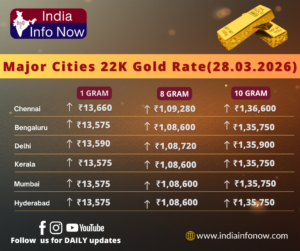 Gold Price Today (28th March 2026): 10g 24K & 22K Gold Rate in India
 -
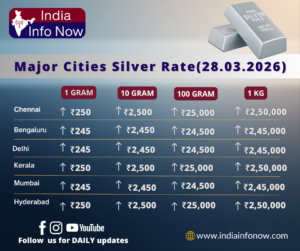 Silver Price Today (28th March 2026): 1g 10g Silver Rate in India
 -
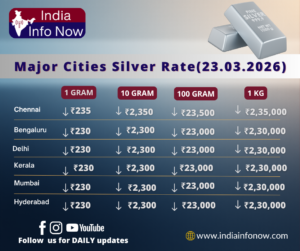 Silver Price Today (23rd March 2026): 1g 10g Silver Rate in India
 -
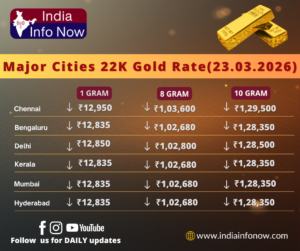 Gold Price Today (23rd March 2026): 10g 24K & 22K Gold Rate in India
 -
 Gold Price Today (21st March 2026): 10g 24K & 22K Gold Rate in India