
Table of Contents
ToggleImportant Things to Consider Before Buying Land in Chennai

Buying land in Chennai is a major financial decision that requires careful planning, legal verification, and market understanding. With rapid urban development, infrastructure expansion, and growing demand for residential and commercial spaces, Chennai offers excellent investment opportunities. However, a well-informed approach is essential to avoid legal complications and ensure long-term returns. Below is a comprehensive guide covering all important things to consider before buying land in Chennai.
Before land purchase in Chennai, we must check the location. Location is the most critical factor influencing both lifestyle and resale value. Well-developed areas with quality infrastructure and social amenities attract higher demand and steady appreciation.
Consider the following:
Proximity to schools, colleges, hospitals, markets, and shopping centres
Distance from workplaces and IT hubs
Safety, cleanliness, and overall neighbourhood development
Nearby areas such as OMR, ECR, GST Road, Pallavaram, Tambaram, Pudupakkam, and Velachery are popular due to connectivity and growth
Future infrastructure projects like metro expansions, highways, and flyovers can significantly increase land value over time.
2. Connectivity and Transportation
Ensure the plot has good access to:
Major roads and highways
Public transport (metro, buses, railway stations)
Airport and city centre
Good connectivity not only improves daily convenience but also boosts rental demand and resale value.
3. Budget and Financial Planning
Before finalising your purchase, prepare a complete budget that includes:
Plot cost
Stamp duty and registration charges
Legal and documentation fees
Brokerage (if any)
Plot maintenance charges
Utility connection costs
Home Loan Options
Many banks offer loans for land purchases in Chennai. Compare interest rates, tenure, down payment requirements, and processing fees to choose the best option for your financial situation.
4. Legal Due Diligence and Title Verification
Legal verification is the backbone of safe land investment.
The essential checklist before buying land in Chennai includes the following:
Title Deed – Confirms legal ownership of the seller
Parent / Mother Deed – Establishes ownership history (preferably 30 years)
Encumbrance Certificate (EC) – Confirms the land is free from loans, disputes, or legal liabilities
Patta, Chitta & Adangal – Tamil Nadu land records confirming ownership and land classification
Sale Deed – Required for final ownership transfer
If the land is inherited, verify legal heir certificates or probate documents.
Always consult a property lawyer to validate documents before making any payment.
5. Land Use Zoning and Government Approvals
Important things to consider before buying land in Chennai include Approvals.Verify land classification with CMDA or DTCP:
Residential
Commercial
Agricultural
Industrial
Avoid purchasing agricultural land unless it has been officially converted for residential use (NA order / land use conversion).
Layout Approval Authorities:
CMDA – Chennai city limits
DTCP – Suburban areas
Panchayat / Local authority – Rural layouts
Never buy plots in unapproved layouts.
6. Developer Reputation and Credibility
If purchasing from a developer:
Check completed projects
Verify delivery timelines
Review customer feedback
Confirm legal approvals
Ensure membership with CREDAI or BAI
Check for pending legal cases
A reputable developer ensures transparency, proper approvals, and quality development.
7. Soil Quality and Topography
Soil condition directly impacts construction cost and building safety.
Common soil types in Chennai:
-
Sandy soil – Coastal areas, requires deep foundations
-
Clayey soil – Water-retentive, requires special foundation treatment
-
Loamy soil – Ideal for construction
Conduct a professional soil test to determine load-bearing capacity.
Choose flat or slightly elevated land to avoid waterlogging during monsoons.
8. Water Availability and Flood Risk
Check for:
Borewell availability
Municipal water supply
Groundwater level
Drainage systems
Flood history of the area
Avoid low-lying or flood-prone zones to prevent future property damage and insurance complications.
9. Amenities and Infrastructure
Plots located near essential amenities have higher demand and better appreciation:
Schools & colleges
Hospitals
Shopping malls
Supermarkets
Parks
Public transport hubs
Gated community plots often offer security, paved roads, water supply, drainage, parks, and community spaces.
Evaluate:
Past price appreciation trends
Nearby commercial development
Infrastructure projects
Rental demand
Population growth
Areas near IT corridors and metro routes usually deliver strong long-term returns.
11. Taxes, Maintenance and Hidden Costs
Before buying land in Chennai, we need to Confirm:
Property tax receipts
Maintenance charges (if in a layout or gated community)
Development charges
Utility setup costs
Annual maintenance is often calculated based on plot size.
12. Future Growth and Investment Potential
When you plan a land purchase in Chennai, compare prices with similar plots in the locality. Consider:
Plot size
Road access
Shape and orientation
Corner plot premium
Development stage of the area
Avoid overpriced properties based on speculative promises.
13. Neighbourhood Verification
Speak with nearby residents to understand:
Past ownership disputes
Water issues
Drainage problems
Community safety
Planned developments
Local insights are often more reliable than marketing brochures.
14. Benefits of Buying in Land in Chennai
High appreciation potential
Tangible long-term asset
Lower maintenance than apartments
Flexibility to build later
Strong demand due to urban expansion
Suitable for residential or commercial development
15. Gated Community Plots in Chennai
Gated community plots offer:
24/7 security
Proper drainage and roads
Legal approvals
Planned layouts
Community facilities
They are ideal for buyers seeking safety, organised development, and long-term appreciation for the best property investment in Chennai.
Final Thoughts: Land Purchase in Chennai
Buying land in Chennai can be a highly rewarding investment when approached with proper research and legal diligence. Important things to consider before buying land in Chennai include location, legal clarity, infrastructure, soil quality, and future growth prospects. Avoid shortcuts, verify every document, and consult professionals when required.
Frequently Asked Questions
1.What is the difference between Patta and Chitta?
Patta shows ownership details, while Chitta specifies land classification (residential/agricultural/commercial). Both must match and be updated in the seller’s name while buying land in Chennai.
2. How many years of Encumbrance Certificate should I check?
Ideally, check EC for the last 30 years to ensure the land is free from loans, court cases, or legal claims for better land purchase in Chennai.
3.What are CMDA and DTCP approvals?
CMDA approves layouts within Chennai city limits, while DTCP approves suburban and rural layouts. Buying land in Chennai without these approvals can result in building permission issues or legal action.
4.Can I buy agricultural land in Chennai for building a house?
Only after it is legally converted to residential use through a Land Use Conversion Order issued by the authorities.
5.Is buying land in unapproved layouts risky?
Yes. You may face difficulties obtaining building permission, electricity/water connections, or selling the property in the future.
Most Popular
-
 Gold Price Today (28th March 2026): 10g 24K & 22K Gold Rate in India
 -
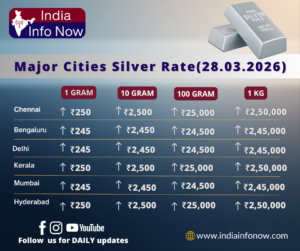 Silver Price Today (28th March 2026): 1g 10g Silver Rate in India
 -
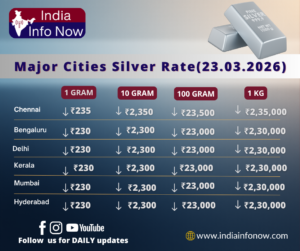 Silver Price Today (23rd March 2026): 1g 10g Silver Rate in India
 -
 Gold Price Today (23rd March 2026): 10g 24K & 22K Gold Rate in India
 -
 Gold Price Today (21st March 2026): 10g 24K & 22K Gold Rate in India