
Table of Contents
ToggleImportant Things to Consider Before Buying Flat in Chennai

Buying a flat in Chennai is one of the most significant financial decisions you’ll ever make. Whether you’re purchasing for self-use, rental income, or long-term investment, careful planning and due diligence are essential. From understanding hidden costs to verifying legal approvals, every step plays a role in securing a safe and valuable property. Here’s a comprehensive guide to help you make an informed decision before buying a flat in Chennai.
The first step before buying a flat in Chennai is identifying why you are buying it.
For personal use: Focus on comfort, proximity to schools, workplaces, hospitals, and daily conveniences.
For rental income: Choose areas with strong demand from professionals or students, such as IT corridors and transport hubs.
For investment: Look for emerging localities with infrastructure development and future appreciation potential.
Establish a reasonable budget if your goal is established. Your total cost should include:
Property price
Down payment (10–20%)
Stamp duty and registration charges
Home loan processing fees
Interior and furnishing costs
Monthly maintenance charges
Remember, affordability is about total ownership cost, not just the flat price for the flat purchase in Chennai.
Location is one of the most important things to check before buying a flat in Chennai, influencing lifestyle and property value.
Popular residential zones in Chennai:
Central Chennai: Nungambakkam, T. Nagar – premium areas with excellent connectivity
South Chennai: Velachery, Adyar, OMR – ideal for IT professionals
West Chennai: Porur, Poonamallee – affordable with rapid development
North Chennai: Perambur, Madhavaram – budget-friendly with improving infrastructure
Before finalising the location:
Check road and public transport connectivity
Evaluate proximity to schools, offices, hospitals, and markets
Research upcoming metro lines, highways, or commercial developments
Visit the locality at different times to assess traffic and safety
3. Select the Right Type of Flat: Chennai Apartment Buying Guide
Your choice of flat purchase in Chennai should match your needs, family size, and long-term goals.
Common options include:
1 BHK – Suitable for singles and small families
2 BHK – Most popular choice for nuclear families
3 BHK – Ideal for larger families or future expansion
Studio apartments – Compact and rental-friendly
Penthouse or duplex – Luxury living with added privacy
Also decide between:
Ready-to-move flats: Immediate possession, lower risk
Under-construction flats: Lower price, higher appreciation potential, but requires trust in the builder
4. Evaluate the Builder’s Reputation
One of the most important things to check before buying a flat in Chennai is choosing a reliable builder. Always research the developer’s background.
Check for:
Past and ongoing projects
RERA registration and compliance
Customer reviews and testimonials
Construction quality in completed projects
Transparency in communication and documentation
A reputed builder ensures timely delivery, quality construction, and better resale value.
5. Inspect Construction Quality and Amenities
Never skip a physical inspection. Construction quality directly impacts durability and safety.
Basic checks inside the property for buying a flat in Chennai:
Carpet area vs built-up area
Quality of materials and finishes
Ventilation and natural light
Direction of the flat (Vastu, if important to you)
Parking facilities and common spaces
Modern amenities to look for:
24/7 security systems and CCTV
Power backup for lifts and common areas
Continuous water supply
Lift facilities
Clubhouse, gym, swimming pool
Children’s play area and green spaces
Visitor parking
Amenities enhance daily living and improve long-term property value.
6. Legal Due Diligence – A Must in Chennai
Legal verification protects you from disputes and financial loss. With a large percentage of civil cases in India related to property, this step is crucial.
Key checklist before buying flat in Chennai includes verifying the following:
Title deed and ownership history
Mother deed for land ownership traceability
Encumbrance certificate (20–30 years)
CMDA / DTCP layout approval
Approved building plan
RERA registration
Completion certificate
Occupancy certificate
Sale agreement and property tax receipts
No Objection Certificates (water, electricity, fire safety)
Hiring a property lawyer is strongly recommended for document verification.
7. Understand Financing and Hidden Costs
If you’re availing a home loan:
Compare interest rates across banks
Understand processing fees and prepayment charges
Check your loan eligibility in advance
Maintain a good credit score
Also account for hidden charges, such as:
Parking fees
Amenity maintenance charges
Preferential location charges
GST (for under-construction properties)
Proper financial planning ensures long-term affordability without stress for a flat purchase in Chennai.
8. Location Connectivity & Infrastructure Checklist
A flat with good connectivity ensures convenience and higher appreciation.
Easy access to main roads and highways
Availability of public transport (bus, metro, cab)
Well-developed internal roads
Future infrastructure plans in the area
Safe neighbourhood with good security
Connectivity plays a major role in rental demand and resale value for the best flat purchase in Chennai.
Final Thoughts: Buying a Flat in Chennai
Buying flat in Chennai is a long-term investment that requires careful evaluation of finances, location, legal aspects, construction quality, and amenities. By following this comprehensive checklist, you can minimise risks and make a confident decision that suits your lifestyle and financial goals. A well-researched purchase today can secure comfort, safety, and value for years to come.
Frequently Asked Questions
1.How can I check if a flat in Chennai is legally approved?
The important checklist before buying flat in Chennai includes legal verification. You can check legal approval by verifying the project’s RERA registration number, CMDA or DTCP approval, building plan approval, encumbrance certificate, and occupancy certificate. Consulting a property lawyer is recommended for thorough verification.
2. What hidden costs should I consider when buying a flat in Chennai?
Hidden costs may include stamp duty, registration charges, GST (for under-construction flats), parking fees, maintenance charges, clubhouse fees, power backup charges, and interior or furnishing expenses. Always calculate the total cost of ownership.
3.Is it better to buy a ready-to-move or under-construction flat in Chennai?
Ready-to-move flats offer immediate possession and lower risk, while under-construction flats are usually more affordable and offer better appreciation potential. However, under-construction properties require trust in the builder and proper legal checks.
4.How important is the builder’s reputation when buying a flat?
One of the important things to check before buying a flat in Chennai is the builder’s reputation. A reliable builder ensures quality construction, timely delivery, legal compliance, and good after-sales service. Check previous projects, customer reviews, RERA compliance, and industry recognition before finalising.
5.Which areas in Chennai are best for buying a flat?
Popular areas include Velachery, Adyar, OMR, Porur, Poonamallee, Nungambakkam, T. Nagar, Perambur, and Madhavaram. The best location depends on your budget, purpose (living or investment), and connectivity requirements.
Most Popular
-
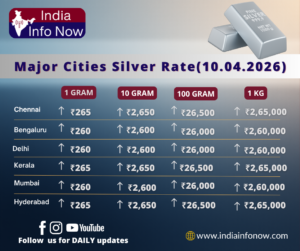 Silver Price Today (10th April 2026): 1g 10g Silver Rate in India
 -
 Gold Price Today (10th April 2026): 10g 24K & 22K Gold Rate in India
 -
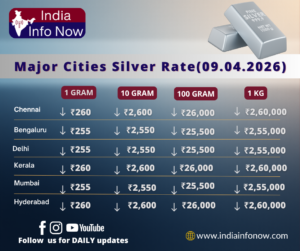 Silver Price Today (9th April 2026): 1g 10g Silver Rate in India
 -
 Gold Price Today (9th April 2026): 10g 24K & 22K Gold Rate in India
 -
 Gold Price Today (8th April 2026): 10g 24K & 22K Gold Rate in India