
Table of Contents
ToggleImportant Things to Consider Before Buying Flat in Bengaluru

Buying a flat in Bengaluru is a significant milestone and a long-term financial commitment. With the city’s booming IT sector, expanding metro network, and rapid infrastructure growth, apartments in Bangalore are in high demand. However, before investing your hard-earned money, it is essential to evaluate legal, financial, technical, and lifestyle factors carefully.
This comprehensive guide explains the important things to check before buying flat in Bengaluru to ensure a safe, smart, and profitable purchase.
Evaluating the builder’s reputation is one of the most critical steps before buying a flat in Bengaluru.
Check for:
RERA registration of both the developer and the project
Completed projects and construction quality
Timely delivery history
Legal disputes, if any
Customer reviews and testimonials
A reputed developer ensures quality construction, legal compliance, and reliable possession timelines.
Bengaluru flat buying guide includes location analysis. Location strongly influences lifestyle, rental income, and resale value.
Consider:
Proximity to workplaces and IT parks
Access to schools, hospitals, malls, and public transport
Road connectivity and metro access (Namma Metro expansion)
Safety and cleanliness of the area
Future infrastructure projects
Popular residential zones include Whitefield, Sarjapur Road, Electronic City, ORR, Yelahanka, and Devanahalli.
3. Apartment Specifications and Layout
A well-designed flat ensures comfort and long-term satisfaction.
Check for:
Efficient space utilisation
Proper room dimensions
Adequate storage spaces
Natural light and ventilation
Balcony placement
Vastu compliance (if preferred)
Avoid layouts that waste carpet area or have awkward room proportions.
Legal checklist for buying apartment in Bengaluru include:
Key documents to verify:
Sale Deed – Confirms ownership transfer
Mother / Parent Deed – Shows ownership history
Khata Certificate & Extract (E-Khata) – Municipal property record
Encumbrance Certificate (EC) – Confirms no legal or financial liabilities
Occupancy Certificate (OC) – Certifies the building is fit for occupation
Approved Building Plan – Issued by BBMP or BDA
RERA Registration Certificate – Ensures buyer protection
Engage a property lawyer to review all documents thoroughly.
5. RERA Registration and Builder Approvals
Always buy flats in projects registered under Karnataka RERA.
Additionally, ensure the builder has:
Commencement Certificate
Land Use Conversion Order (if applicable)
Environmental and Fire Safety NOCs
RERA registration guarantees transparency in carpet area, timelines, pricing, and legal disclosures.
6. Pricing and Budget Planning
Buying a Flat in Bengaluru includes the pricing and budget planning. Understand the complete financial obligation.
Include:
Base apartment price
Stamp duty & registration fees
GST (for under-construction projects)
Legal charges
Maintenance deposit
Parking charges
Clubhouse or amenities fee
Also evaluate home loan interest rates, EMI burden, and long-term affordability.
7. Amenities and Lifestyle Facilities
Apartment buying tips Bengaluru include amenities. Amenities significantly impact daily comfort and resale value.
Look for:
24/7 security and CCTV
Fire safety systems
Power backup
Lift quality
Parking facilities
Clubhouse, gym, pool, play area
Rainwater harvesting and solar power
Choose facilities that match your lifestyle needs rather than paying for unnecessary luxury.
8. Construction Quality and Safety Checks
Important things to check before buying flat in Bengaluru includes inspection.Inspect:
Wall thickness and material quality
Flooring and tile finish
Plumbing and electrical fittings
Paint and plaster quality
Structural design
Soil test reports (for new projects)
For resale flats, consult a civil engineer for structural inspection.
9. Under-Construction vs Ready-to-Move Flats
Under-construction flats:
Lower prices
GST applicable
Risk of delays
Ready-to-move flats:
Immediate possession
No GST
OC already issued
Choose based on urgency, risk tolerance, and budget while buying a flat in Bengaluru.
10. Property Buying Agreement
The agreement should clearly mention:
Payment schedule
Possession date
Penalty for delays
Specifications and amenities
Exit clauses
Never sign without legal review.
11. Documents to Check When Buying from a Builder
Legal checklist for buying apartment in Bengaluru include:
Title deed of land
EC for 13–30 years
Approved building plan
RERA certificate
Commencement certificate
Land conversion order
Environmental and fire NOCs
Agreement to sell
12. Future Growth and Investment Potential
Check for:
Upcoming metro stations
New highways and flyovers
IT parks and SEZs
Commercial developments
Areas with continuous development generally show better price appreciation.
13. Resale and Rental Value
Flats near tech hubs, metro stations, and social infrastructure offer:
Higher rental demand
Faster resale
Stable appreciation
Locations such as Koramangala, Whitefield, ORR, and Sarjapur Road perform well.
14. Society Management and Maintenance
Important things to check before buying flat in Bengaluru include the maintenance charges. Evaluate:
Monthly maintenance charges
Quality of housekeeping
Security management
Facility upkeep
Resident association structure
Poor management can reduce property value.
15. New Flat Possession Checklist
Before possession:
Test electrical fittings
Check plumbing
Inspect doors, windows, flooring
Verify carpet area
Confirm amenities are operational
Collect original documents
Final Thoughts: Buying a Flat in Bengaluru
Buying a flat in Bengaluru is both a lifestyle choice and a financial investment. Careful evaluation of the builder, legal documentation, construction quality, pricing, and future growth prospects will protect you from costly mistakes.
Frequently Asked Questions
1. Is RERA registration mandatory for buying a flat in Bengaluru?
Yes. All new residential projects must be registered with Karnataka RERA. RERA registration ensures transparency, legal compliance, timely delivery, and protection against misleading claims by builders.
2. What is the difference between A-Khata and B-Khata for apartments?
A-Khata properties are legally approved and eligible for loans, registration, and utilities. B-Khata properties are regularized but not fully legal and carry higher risk. Always prefer A-Khata flats.
3.Which documents are compulsory before buying a flat?
Key documents include Sale Deed, Mother Deed, Khata Certificate & Extract, Encumbrance Certificate, Approved Building Plan, Occupancy Certificate, Completion Certificate, and RERA registration details.
4. Is Occupancy Certificate (OC) necessary?
Yes. OC confirms the building follows approved plans and is legally fit for occupation. Avoid purchasing or occupying a flat without an OC.
5.Can I buy an under-construction flat safely?
Yes, if the project is RERA registered, has all approvals, and the builder has a strong track record. Verify construction stage, possession date, and penalty clauses for delays.
Most Popular
-
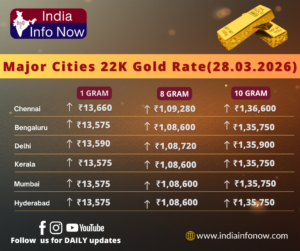 Gold Price Today (28th March 2026): 10g 24K & 22K Gold Rate in India
 -
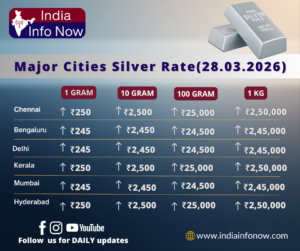 Silver Price Today (28th March 2026): 1g 10g Silver Rate in India
 -
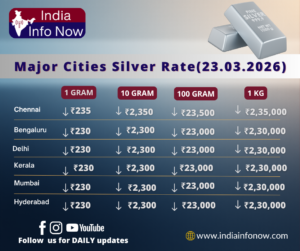 Silver Price Today (23rd March 2026): 1g 10g Silver Rate in India
 -
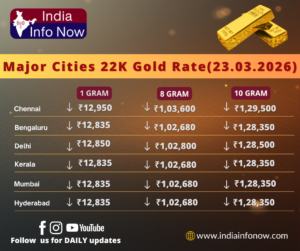 Gold Price Today (23rd March 2026): 10g 24K & 22K Gold Rate in India
 -
 Gold Price Today (21st March 2026): 10g 24K & 22K Gold Rate in India