
Table of Contents
ToggleTop 5 Tourist Places in Wayanad 2026
Nestled in the Western Ghats of Kerala, Wayanad is a dream destination for travelers who love misty mountains, ancient history, roaring waterfalls, and rich wildlife. From prehistoric caves and sky-high trekking peaks to Asia’s largest earthen dam and dense forests, Wayanad offers a perfect mix of adventure and relaxation. If you’re planning a trip, these are the top 5 tourist places in Wayanad you should not miss.
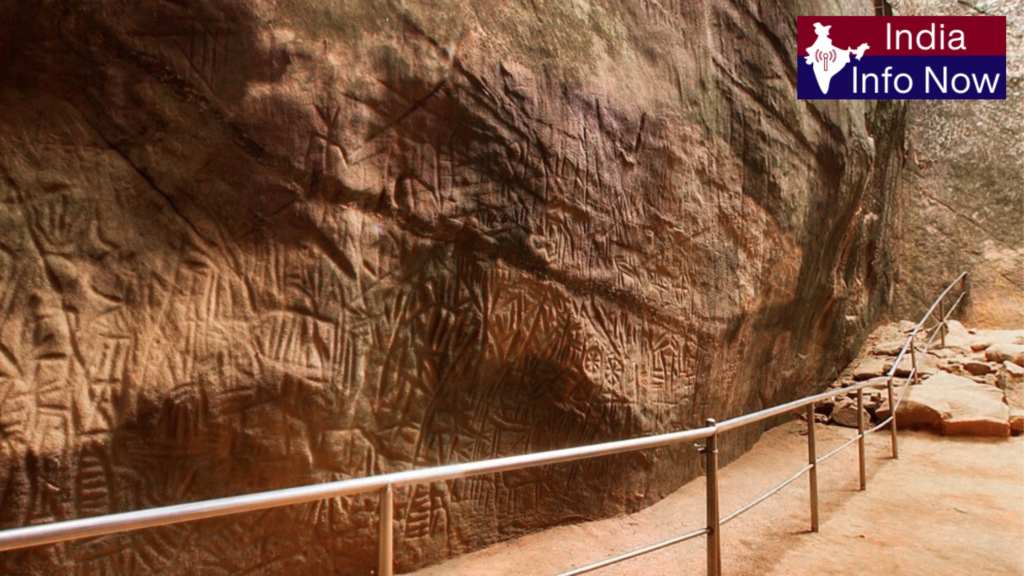
Edakkal Caves are the most important historical attraction in Wayanad and one of the oldest known prehistoric sites in India. Located on Ambukuthi Hill, these naturally formed rock shelters contain rare Neolithic petroglyphs (rock carvings) believed to date back to 6000 BC.
The caves sit at an altitude of about 1,200 meters and require a short but steep trek of around 1–1.5 km, which usually takes 40–50 minutes. Though the climb is challenging, the reward is worth it—spectacular hilltop views and remarkable carvings of human figures, animals, tools, and symbols that reveal the life of ancient civilizations.
Inside, the caves have two chambers:
- Lower chamber: 18 ft long, 12 ft wide, 10 ft high
- Upper chamber: 96 ft long, 22 ft wide, 18 ft high
These engravings have attracted archaeologists and historians from across the world and are one of the top places to visit in Wayanad with family.
Best time to visit: September to March
Timings: 8:30 AM – 4:00 PM (Closed on Mondays)
Entry fee: ₹50 (adults), ₹30 (children)
Who should visit: History lovers, photographers, families with older children
Travel tip: Reach by 8–9 AM to avoid crowds and heat. Set aside 2–3 hours.
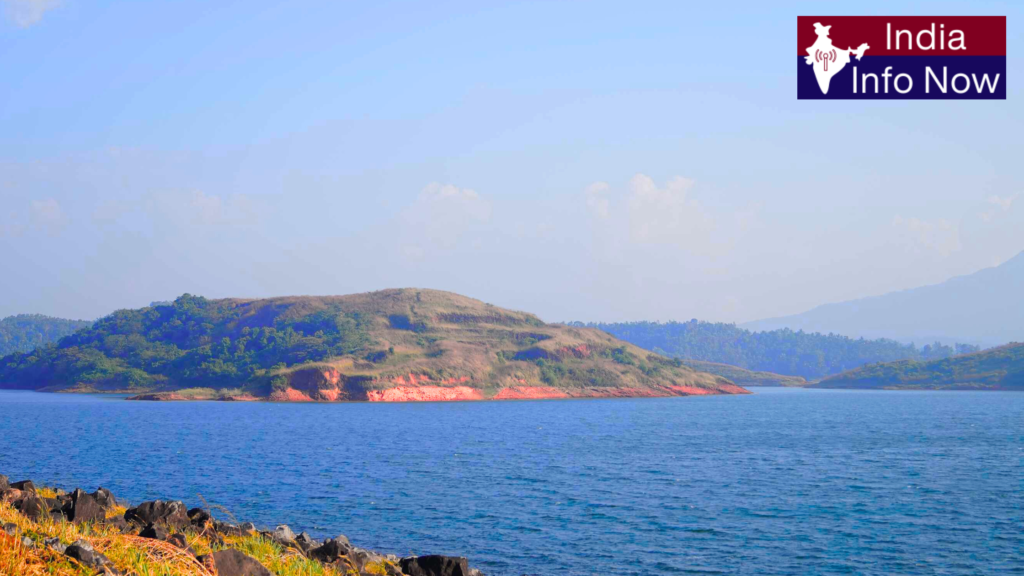
As one of the Wayanad tourist places 2026, located about 21 km from Kalpetta at the foothills of the Banasura range, Banasura Sagar Dam is a peaceful yet visually stunning attraction. Built in 1979 across the Karamanathodu tributary of the Kabini River, it is the largest earthen dam in India.
The massive reservoir features beautiful small islands formed when the surrounding areas were submerged, creating a unique landscape. Recently installed floating solar panels add to its modern appeal.
Visitors can enjoy boating, short walks on the embankment, photography, and nearby trekking trails. The dam looks especially magical during sunset, when golden light reflects on the calm waters.
Best time to visit: November to May
Timings: 9:00 AM – 5:00 PM
Entry fee: ₹40 (approx.) | Boating: ₹600–₹1000 per boat
Who should visit: Couples, families, photographers, leisure travelers
Travel tip: Visit in the late afternoon and bring a light sweater for the breeze.
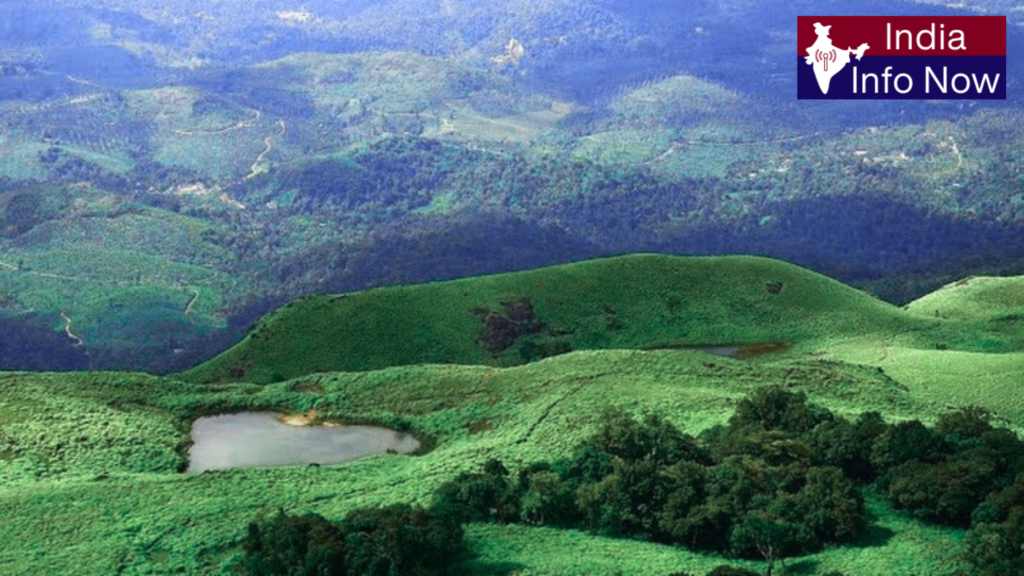
3. Chembra Peak – Highest Point in Wayanad (Wayanad Tourist Places 2026)
Chembra Peak stands tall at around 2,100 meters above sea level, making it the highest peak in Wayanad. It is most famous for the legendary heart-shaped lake (Hridaya Saras), believed to never dry up. It stands out as one of the best places in Wayanad for a tour.
The trek is moderately strenuous, covering about 3–4 km one way and taking 6–7 hours round trip. You’ll walk through tea plantations, misty grasslands, and forest paths before reaching breathtaking viewpoints that stretch into Karnataka and Tamil Nadu.
Only 200 trekkers per day are allowed, and permits are limited.
Best time to visit: September to February
Timings: 7:00 AM – 12:00 PM
Trek fee: ₹750 (group up to 10 Indians, includes guide)
Minimum age: 11 years
Who should visit: Trekkers, adventure seekers, couples
Travel tip: Book permits online or arrive before dawn.
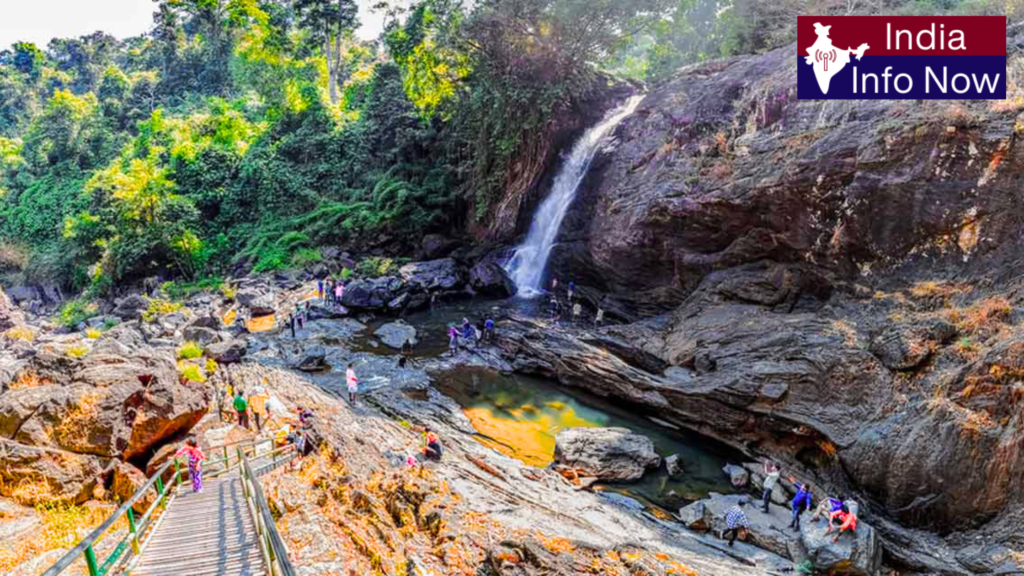
Wayanad is known for waterfalls, but these two stand out as the best Wayanad sightseeing places:
Meenmutty Waterfalls
One of Kerala’s largest waterfalls, plunging nearly 300 meters in multiple tiers. Reaching it requires a 2 km jungle trek, often muddy and slippery.
- Best season: Post-monsoon (Oct–Jan)
- Entry fee: ₹50
- Ideal for: Adventure lovers
Soochipara (Sentinel) Falls
Easier to access by road, with a safe pool for swimming and dramatic drops ranging from 100–300 feet.
- Timings: 9:00 AM – 5:00 PM
- Entry fee: ₹80
- Ideal for: Families, quick visits
Tip: Choose one waterfall per half-day. Avoid peak monsoon.
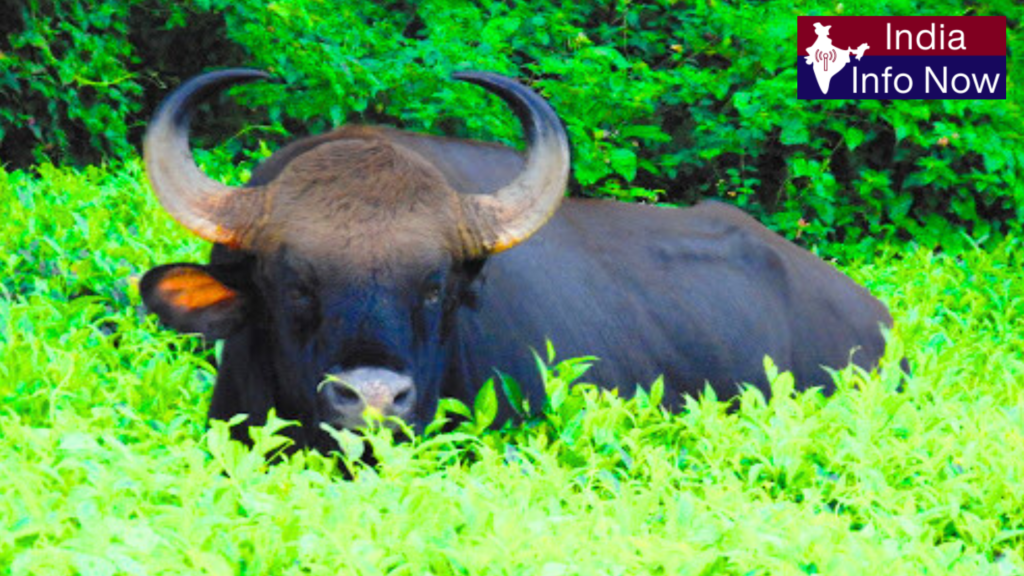
5. Wayanad Wildlife Sanctuary – Muthanga & Tholpetty
One of the Wayanad tourist places 2026, spanning 344 sq km, this sanctuary is part of the Nilgiri Biosphere Reserve and home to elephants, deer, gaurs, monkeys, birds, and rare big cats.
Muthanga Range
- More organized
- Higher chance of seeing elephants
- Jeep/bus safaris from Sultan Bathery
Tholpetty Range
- Quieter and scenic
- Fewer crowds
- Luck-based sightings
Safari timings: 7–10 AM & 3–4:30 PM
Entry fee: ₹20–₹150 (varies)
Best time: October to May
Who should visit: Families, wildlife lovers, photographers
Conclusion: Top 5 Tourist Places in Wayanad
Wayanad is not just a destination—it’s an experience of ancient history, misty peaks, powerful waterfalls, serene lakes, and living jungles. Whether you’re trekking to Chembra, decoding stone carvings at Edakkal, boating at Banasura, or spotting elephants in Muthanga, every moment here in the best places in Wayanad feels close to nature.
Frequently Asked Questions
1. What is the best time to visit the best places in Wayanad?
The best time to visit Wayanad is from October to March when the weather is cool and ideal for trekking, sightseeing, and wildlife safaris.
2. How many days are enough for Wayanad?
A 2 to 3-day trip is enough to cover the major Wayanad sightseeing places. For trekking and relaxed travel, 4 days is ideal.
3.Is Edakkal Caves difficult to climb?
As one of the top 5 tourist places in Wayanad, Edakkal Caves require a steep 1–1.5 km trek, which takes about 45 minutes. It is manageable for people with average fitness but not recommended for very young children or elderly visitors.
4. Which is the highest peak in Wayanad?
Chembra Peak is the highest peak in Wayanad, standing at around 2,100 meters above sea level, this place stands out as one of the Wayanad tourist places 2026.
5. Do I need permission to trek Chembra Peak?
Yes. Trekking permits are mandatory and issued by the Forest Department. Only a limited number of trekkers are allowed daily, so early booking is recommended.
Most Popular
-
 தினமும் முட்டை சாப்பிடலாமா? நன்மைகள், கொலஸ்ட்ரால் மற்றும் யாரெல்லாம் கவனமாக இருக்க வேண்டும்?
 -
 இரவில் சாப்பிடக்கூடாத உணவுகள் என்ன? தூக்கத்தை பாதிக்கும் 7 உணவுகள்
 -
 தினமும் நடப்பதால் ஏற்படும் மாற்றங்கள் | நடைப்பயிற்சி நன்மைகள்
 -
 காலை எழுந்தவுடன் தண்ணீர் குடிப்பது நல்லதா? முழு தகவல்
 -
 தேர்வு நேரத்தில் குழந்தைகளுக்கு கொடுக்க வேண்டிய 10 மூளை ஆரோக்கிய உணவுகள்